
Halenia
Halenia
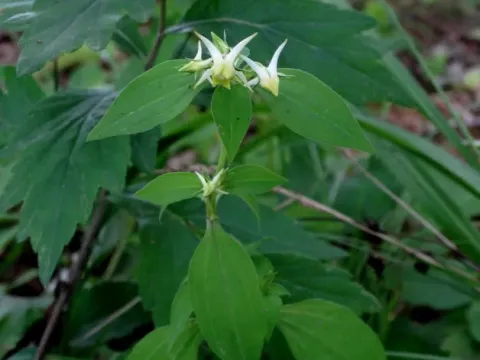
Halenia is a distinct genus of herbaceous plants belonging to the Gentianaceae family. It is botanically characterized by the unique presence of spurred corollas, which serve as a primary taxonomic marker distinguishing this genus from other related groups within the family.
What the section contains


Halenia
The native range of Halenia spans the mountainous regions of North America and Asia. As a crop or specialized botanical interest, it thrives in cool, alpine-like environments, which dictates the specific requirements for its successful management in an agricultural setting.
Environmental requirements focus heavily on soil moisture and ambient temperature. Halenia prefers cool summers and consistent moisture levels, making it susceptible to thermal stress if grown in regions with prolonged heat waves or dry atmospheric conditions.
For optimal growth, the soil must be rich in organic matter and possess excellent drainage properties. High-density soils inhibit root development, so cultivators should prioritize substrates that allow for proper oxygen exchange while maintaining a neutral to slightly acidic pH.
The economic significance of Halenia is primarily found in pharmacological research. The plant contains a complex profile of secondary metabolites, including xanthones and various bitter principles, which are highly valued for their potential therapeutic applications in modern phytomedicine.