
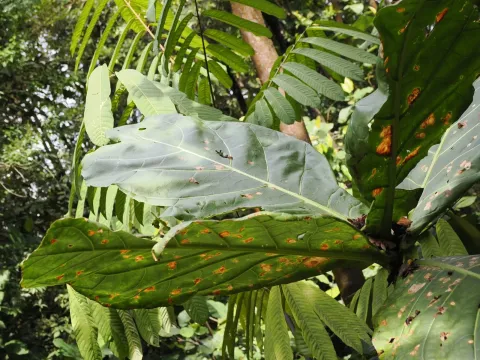
Limahlania
Limahlania
Sowing Limahlania requires precise timing based on soil temperature, as the seeds need stable warmth to germinate. The ideal window typically opens in mid-spring once the risk of ground frost has completely passed.
What the section contains

Limahlania
The planting depth should be maintained between 3 and 5 centimeters. Proper placement ensures that the young seedlings have enough stored energy to break through the surface while remaining protected from early desiccation.
Seedbed preparation is vital for ensuring uniform plant development across the field. A well-tilled soil surface facilitates excellent seed-to-soil contact, which is essential for rapid and vigorous early growth.
In regions where the growing season is constrained by cold weather, starting Limahlania in a nursery is a highly recommended practice. This technique allows plants to gain strength before being transplanted into the open field.
Crop rotation protocols should be strictly followed to minimize the risk of soil-borne diseases. Avoiding sites where related species were recently cultivated helps maintain soil health and fertility for the new crop.
Limahlania flourishes in fertile, well-draining soils with a neutral pH level. Proper drainage is critical, as the crop is sensitive to waterlogged conditions that can compromise root function and overall vigor.
Sunlight exposure is the primary driver of the plant's photosynthetic activity. For optimal results, fields should be situated in areas with full, unobstructed sun exposure throughout the daylight hours.
Moisture management is essential, particularly during the critical stages of vegetative growth. Implementing a precise irrigation schedule ensures that the plants receive adequate water without triggering fungal infections.
Balanced fertilization programs, focusing on phosphorus and potassium, support strong root systems and healthy fruit development. Soil testing remains the most reliable way to tailor nutrient inputs to actual field needs.
Temperature management, though largely dependent on the local climate, can be supported by proper spacing. Providing adequate airflow helps moderate the microclimate around the plants, reducing heat stress.
Maximum yield potential is achieved through an integrated approach to crop management. Careful monitoring of plant health, coupled with timely nutrient applications, directly correlates with higher production volumes.
The flowering phase is the most delicate period for Limahlania production. Providing optimal environmental conditions during this time ensures high fruit set and uniform development across the entire field.
Plant density management is a key factor in maximizing production. Proper spacing prevents resource competition, ensuring each plant has access to the light, water, and nutrients needed for peak performance.
Selecting the right variety is fundamental to a successful harvest. Modern hybrids often offer improved yield potential and better resistance to local environmental stressors compared to traditional varieties.
Field maintenance, including weed control and soil aeration, is essential throughout the season. By reducing competition and improving oxygen exchange, these practices significantly contribute to overall crop yield.
Fungal diseases, such as powdery mildew, pose the most significant risk to Limahlania crops. These pathogens thrive in humid environments and require proactive monitoring and timely intervention to prevent outbreaks.
Pests like aphids and spider mites can cause substantial damage by depleting the plant's resources and spreading viruses. Effective control requires a combination of cultural practices and targeted chemical applications.
Chemical protection programs should be carefully planned to avoid the development of resistance. Rotating active ingredients with different modes of action is a standard practice for sustainable disease and pest management.
Frequent field inspections are the first line of defense. By identifying the earliest symptoms of infestation, growers can apply spot treatments, which are both cost-effective and environmentally friendly.
Biological control agents can be highly effective when integrated into a broader pest management strategy. These methods help maintain a balanced ecosystem, reducing the need for intensive chemical use.
Harvesting Limahlania at the peak of maturity is essential for both flavor and storage life. The fruits should be picked once they reach their characteristic color and firmness, signaling proper development.
Gentle handling is of paramount importance during the harvest process. Any physical impact can lead to bruising, which serves as a prime entry point for post-harvest decay organisms that can spoil entire shipments.
Post-harvest handling should include rapid cooling to remove field heat immediately after picking. This process is crucial for maintaining the quality and extending the shelf life of the harvested goods.
Proper sorting and grading are essential steps in preparing the produce for market. Removing damaged or sub-standard items ensures that only high-quality produce reaches the end consumer, maintaining the brand's reputation.
Storage facilities should maintain specific temperature and humidity levels suitable for Limahlania to prevent dehydration and quality loss. A well-managed supply chain ensures the produce remains fresh until it reaches the retail outlet.