
Gentianella crassicaulis
Gentianella crassicaulis
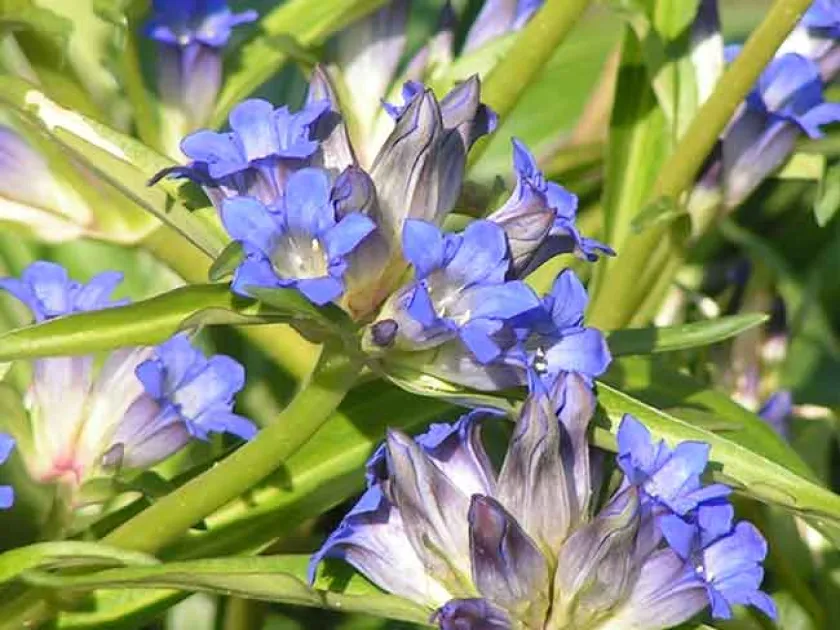
Description
Growing requirements
Gentianella crassicaulis is a perennial herbaceous plant belonging to the Gentianaceae family. Native to high-altitude regions, this species is well-adapted to cooler climates and mountain meadow ecosystems where temperatures remain moderate during the growing season.
Successful cultivation requires well-drained, porous soil with a slightly acidic to neutral pH. The species is highly sensitive to waterlogged conditions, which can lead to root rot; therefore, site selection with natural slope or engineered drainage is essential for viability.
In terms of climate, the plant thrives in areas with high light exposure but requires protection from intense, direct midday sun, which can cause leaf scorch. Moderate moisture levels and cool night temperatures are crucial for stimulating the development of its characteristic thick stems.
Botanically, Gentianella crassicaulis is distinguished by its robust, thickened stem structure and a basal rosette of leaves. The root system is relatively shallow but sensitive, requiring careful soil preparation and minimal disturbance during the plant's life cycle.
This crop is primarily utilized in the pharmaceutical industry due to the presence of secondary metabolites. These compounds are highly valued for their digestive and anti-inflammatory properties, making the plant a target for sustainable herbal farming.
Main diseases and pests
The most significant threat to Gentianella crassicaulis in an agricultural setting is fungal root pathogens triggered by excessive soil moisture. Managing drainage and irrigation cycles is the primary defense against these fatal infections.
Slugs and snails present a persistent threat, particularly to young seedlings and the basal foliage. Integrated pest management strategies, such as physical barriers or environmentally safe bait, are recommended to protect the crop's vegetative mass.
Aphid infestations can occur during periods of rapid growth, stressing the plant and potentially spreading secondary infections. Monitoring plant health is vital, as heavy infestations can significantly reduce the overall yield of high-quality raw medicinal material.
Powdery mildew may develop if the planting density is too high, preventing adequate airflow between individual plants. This condition weakens the plant's physiological capacity and requires thinning of the rows for better ventilation.
Given the sensitivity of the crop, preventative agronomic practices—such as crop rotation, optimal plant spacing, and the use of organic soil amendments—are the most effective strategies for maintaining a healthy and productive medicinal crop yield.