
Fringed gentian
Gentianella ciliata
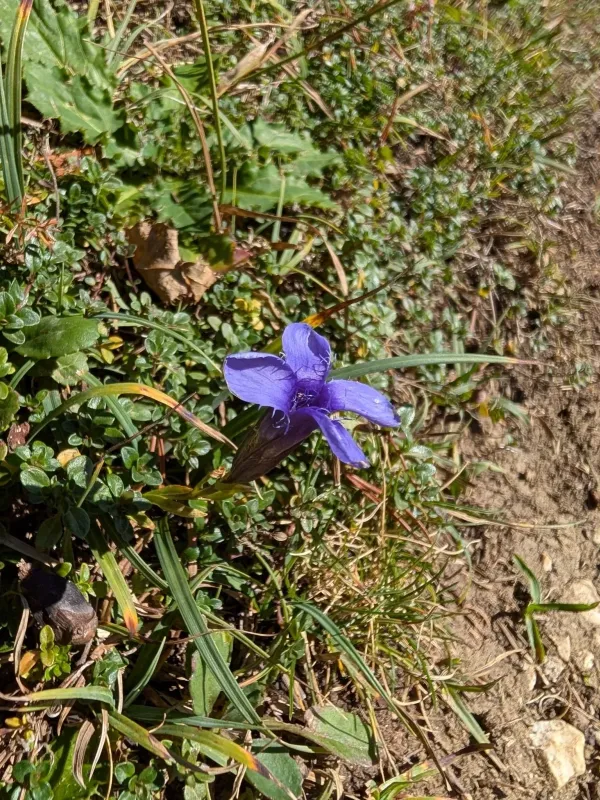
Description
Growing requirements
The Fringed gentian (Gentianella ciliata) is a perennial herbaceous plant belonging to the Gentianaceae family. It is naturally found in limestone meadows and subalpine regions across Europe.
This species thrives in sunny locations with well-draining soil. It has a specific preference for alkaline soils rich in calcium, which mimic its natural mountainous habitat.
Climatic requirements involve cool to moderate temperatures. While it is hardy, the plant is intolerant of waterlogged conditions, which can lead to rapid decay of the root system during dormant periods.
Botanically, it is recognized by its vivid blue, funnel-shaped flowers with delicately fringed petal margins. It typically grows as a low-profile plant, making it ideal for rock gardens and naturalistic landscapes.
In cultivation, it is primarily used for ornamental purposes. It requires minimal fertilization but demands strict adherence to soil pH and drainage levels to ensure longevity and consistent flowering.
Main diseases and pests
Fungal pathogens are the most significant threats to the Fringed gentian, particularly root rot caused by poor soil drainage. Maintaining a loose and airy soil structure is essential for prevention.
Pests such as aphids may infest the flowering stems during the peak growth season. Regular inspections and the use of insecticidal soap can effectively manage localized outbreaks.
Slugs and snails can cause substantial damage to the foliage, especially in wet or humid springs. Protecting young plants with physical barriers is a recommended cultural control practice.
Root nematodes can cause stunted growth and yellowing. Using sterilized soil mixes when starting seeds or preparing beds helps to mitigate the risk of soil-borne pest infestations.
Chlorosis may occur if the soil pH becomes too acidic, as the plant cannot absorb necessary nutrients effectively. Regular monitoring of pH levels and amending soil with lime is a standard maintenance practice.