
Graptopetalum bellum
hybrids between Sedum L. and Tacitus Moran
Description
Growing requirements
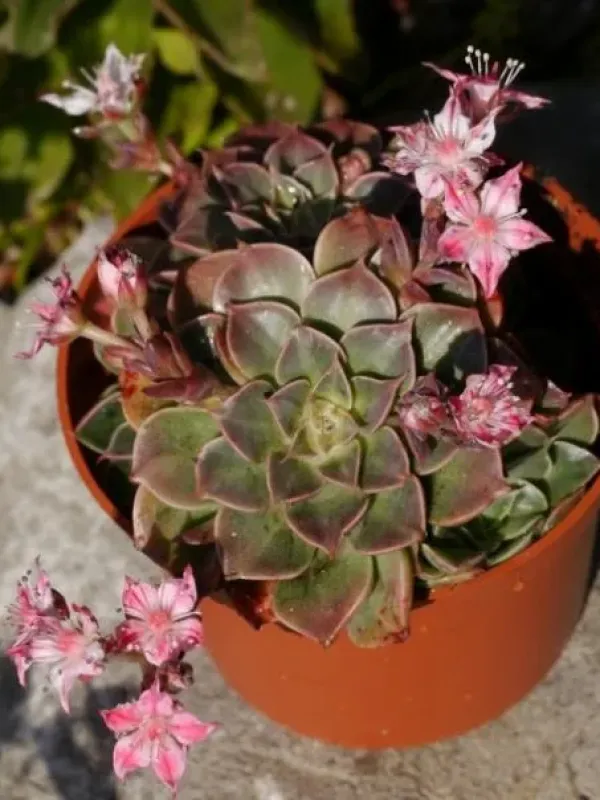
Graptopetalum bellum, formerly classified as Tacitus bellus, is a member of the Crassulaceae family. It is highly valued for its rosette-forming succulent habit and vibrant, star-shaped flowers that appear in spring and early summer.
Native to the arid, rocky regions of northern Mexico, this plant requires specialized conditions to thrive. It necessitates bright, indirect light and a well-draining mineral-based substrate to prevent root asphyxiation and rot.
Soil composition is critical; a typical mix should include high portions of pumice, coarse perlite, or volcanic grit. Organic material should be kept to a minimum (typically less than 20%) to replicate the plant's natural habitat.
Temperature control involves maintaining moderate heat during the growing season and ensuring a distinct cool-down period during winter dormancy. Nighttime drops to around 10°C are beneficial for maintaining the plant's structural integrity.
Watering techniques are specific to the succulent lifecycle: deep irrigation followed by a long period of complete drying. During the dormant winter phase, water should be withheld almost entirely to prevent fungal outbreaks.
Main diseases and pests
Mealybugs are the primary pest concern, often clustering in the tight spaces between leaves. Manual removal combined with systemic horticultural oils is the most recommended approach for non-toxic management.
Root rot, caused by Fusarium or Pythium species, remains the leading cause of plant mortality. This is almost always exacerbated by improper irrigation or soil media that retains excessive moisture for too long.
Fungal gnats may inhabit the top layers of the soil if it remains damp for extended periods. While usually harmless, their larvae can cause damage to the tender root hairs of young succulent specimens.
Aphids can sometimes infest the succulent inflorescences during the blooming stage. Careful inspection of the flower spikes is necessary to prevent these insects from weakening the plant's reproductive efforts.
Lack of proper airflow around the plant can lead to powdery mildew development, especially in humid environments. Ensuring good ventilation is a fundamental requirement for maintaining healthy foliage and preventing bacterial infections.