
Gastrophaius cooksonii
Gastrophaius cooksonii
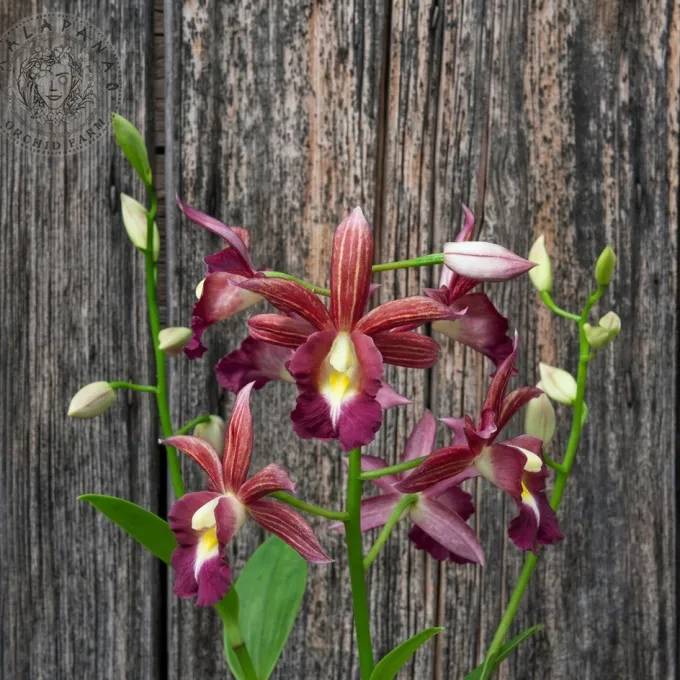
Description
Sowing dates
Sowing this crop requires strict adherence to temperature regimes, as the seeds exhibit low germination energy under unstable environmental conditions.
The optimal time for sowing is considered when the average daily soil temperature at a depth of 5-10 cm reaches a stable 15 degrees Celsius.
Pre-sowing treatment includes mandatory seed dressing to protect against soil-borne pathogens that can cause the death of seedlings.
The seeding depth varies from 2 to 3 centimeters depending on the soil texture, ensuring firm contact with the moist substrate.
After sowing, it is recommended to roll the soil to improve capillary moisture movement, which is critical for uniform germination during dry periods.
Growing requirements
Gastrophaius cooksonii prefers loose, well-aerated loamy soils with a neutral or slightly acidic pH level.
The crop is highly sensitive to excessive water logging; therefore, low-lying areas with a risk of flooding are unsuitable for its cultivation.
The plant is light-loving, meaning that growth under shaded conditions significantly reduces the quality of vegetative mass and productivity.
Intensive growth requires the application of balanced mineral fertilizers, with available phosphorus being a critical element during early stages.
The optimal climatic regime involves a moderately warm summer with periodic precipitation, preventing critical drying of the topsoil.
Yield
The yield of the crop depends directly on the intensity of agronomic practices and the state of the soil microbiota in the specific field.
By following crop rotation and applying basic nitrogen-phosphorus fertilizer doses, stable biomass yields per hectare can be achieved.
A key factor in increasing output is timely weed control during the critical phases of the plant's development.
On an industrial scale, average yield indices show moderate variability, depending on the overall level of agricultural management.
To maximize yields, specialists recommend regular monitoring of crop health and adjusting nutritional plans based on leaf analysis.
Main diseases and pests
The most significant biological threats include fungal diseases of the root system, which develop under conditions of poor drainage.
Pests such as wireworms and various species of cutworms can cause significant damage to seedlings during early growth stages.
Disease prevention involves maintaining spatial isolation from fields containing related plant species.
To combat insect pests, integrated protection methods are used, combining agronomic practices and the application of biological agents.
Early detection of infection hotspots allows for the localization of the disease, preventing the spread of infection to neighboring fields.
Harvesting
Harvesting should take place during the phase of full biological maturity, when the moisture content of the main plant part drops to acceptable levels.
Mechanical harvesting involves the use of specialized headers adjusted for minimal losses during contact with the crop.
Post-harvest processing includes mandatory drying of the raw material to standard moisture levels to prevent self-heating during storage.
The harvested crop requires storage in well-ventilated facilities protected from direct sunlight and pests like rodents.
It is recommended to store the final product in multi-layered packaging or specialized bins with the ability to periodically monitor temperatures.