
Gentianella ramosa
Gentianella ramosa
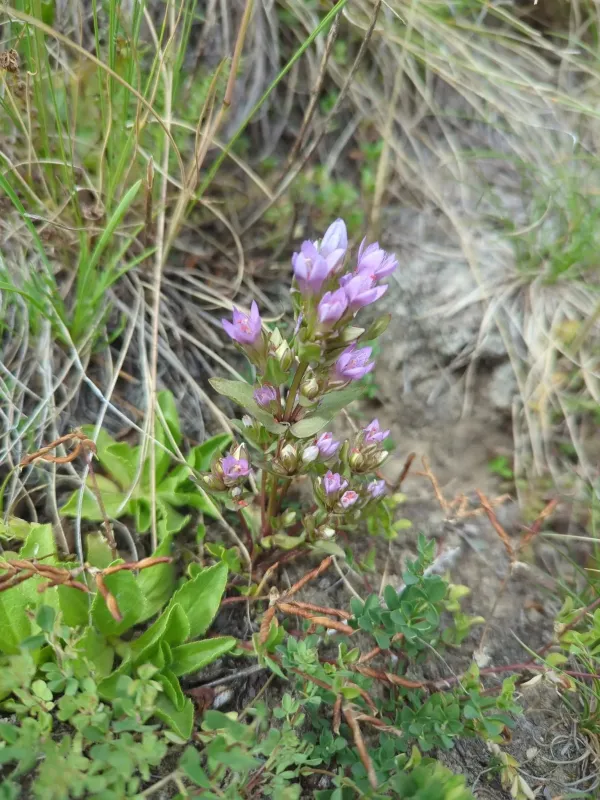
Description
Growing requirements
Gentianella ramosa, a member of the Gentianaceae family, is an herbaceous plant widely recognized in botanical studies for its unique biochemical profile. In an agricultural context, it is cultivated primarily for its medicinal properties and as an ornamental component of alpine meadows.
The plant thrives in well-drained, calcareous soils with a slightly alkaline or neutral pH. It is highly intolerant of waterlogged conditions, making the selection of a site with excellent natural drainage or gravelly subsoil essential for successful establishment.
Sunlight exposure is a critical factor for Gentianella ramosa. It requires full sun to partial light exposure to ensure proper floral development and the maturation of seeds. Lack of sufficient light often results in weak stems and diminished production of active metabolites.
Climatically, the plant prefers cool, temperate conditions typical of its native sub-alpine habitats. It requires a distinct cycle of seasons to complete its lifecycle, particularly if it behaves as a biennial, needing a cold stratification period during the winter months.
Agronomic management requires meticulous weeding, as the plant is not a strong competitor against invasive species. Regular shallow cultivation is recommended to prevent soil compaction and to improve aeration around the root zone, which supports healthy growth.
Main diseases and pests
Fungal infections, such as root rot and leaf spot, are the primary disease threats to this crop. These are typically triggered by excessive moisture and poor air circulation within the plant canopy.
Pests such as slugs and snails are particularly problematic during the seedling stage. These gastropods can quickly decimate young stands, making vigilant monitoring and protection necessary during spring.
Additionally, aphids may occasionally infest the plant, concentrating on the inflorescences and stems, which can weaken the overall vitality of the crop during the flowering stage.
Effective management strategies include spacing plants appropriately to ensure good airflow and implementing integrated pest management techniques to reduce the reliance on chemical interventions.
- Improving drainage through soil amendment with grit.
- Physical barriers against slugs such as copper tape or eggshell mulch.
- Timely removal of diseased plant material to prevent spread.