
Engadine gentianella
Gentianella engadinensis
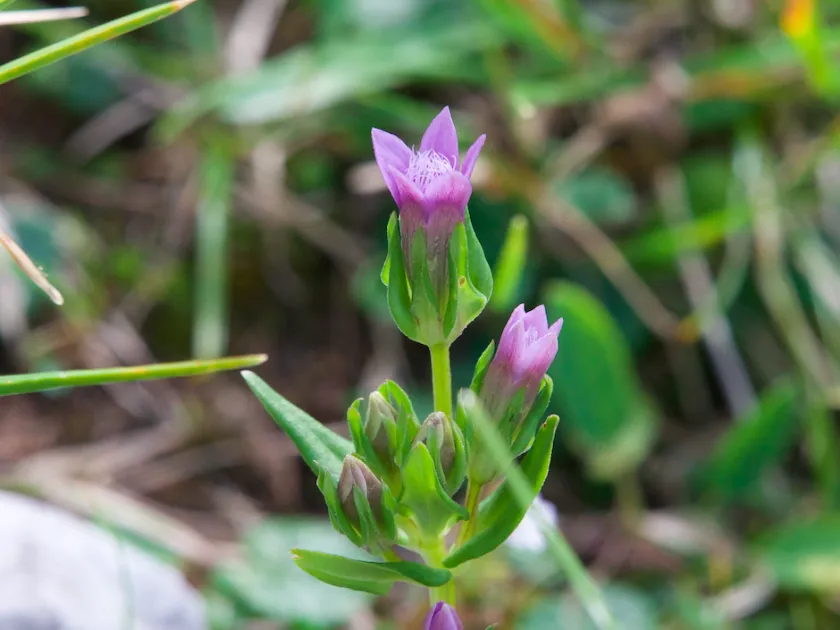
Description
Growing requirements
The Engadine gentianella (Gentianella engadinensis) is a rare botanical species belonging to the Gentianaceae family. It is native to the high-altitude regions of the Alps, where it thrives in specialized niches.
The plant requires specific growing conditions, favoring calcareous, well-drained soils. In its natural habitat, it typically grows on scree slopes and alpine meadows where the soil composition remains stable and nutrient-poor.
Climatic requirements are rigorous, as the plant is adapted to short, cool summers and harsh, snow-covered winters. High temperatures and humidity levels in lowland environments often lead to stunted growth and plant death.
Botanically, Gentianella engadinensis exhibits a compact growth habit with distinctive funnel-shaped blue or violet flowers. Its root system is delicate and depends on specific soil mycorrhizae to absorb nutrients efficiently.
Agricultural use of this species is essentially non-existent in mass production. However, it is highly sought after by specialized botanical gardens and alpine rock garden enthusiasts for conservation and display purposes.
Main diseases and pests
The primary threat to the Engadine gentianella is fungal infection caused by improper soil moisture levels. Waterlogging is particularly detrimental, leading to rapid root decay and plant collapse during the growing season.
Pests such as aphids and leaf-eating beetles can cause significant damage to the floral structures. Early detection and mechanical removal are often the preferred methods of control for small populations.
Environmental stress, particularly rising temperatures, makes the plant susceptible to secondary infections. Maintaining a consistent microclimate is essential for mitigating these biotic and abiotic threats.
Weed competition is a significant concern for cultivated specimens. In the absence of natural stress factors, faster-growing weeds can quickly overwhelm the fragile gentianella, depriving it of essential sunlight and space.
Preventive measures include the application of selective, low-toxicity fungicides and the implementation of a precise irrigation schedule that simulates the drainage conditions of a natural alpine rocky slope.