
Gasteria and Haworthiopsis hybrids
hybrids between Gasteria Duval and Haworthiopsis G. D. Rowley
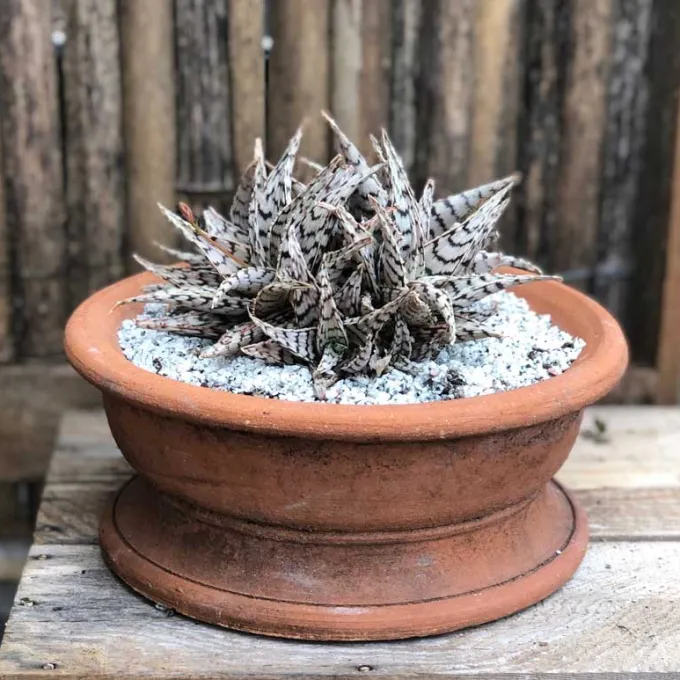
Description
Sowing dates
Propagation of Gasteria and Haworthiopsis hybrids, commonly referred to as Gasteria hybrids, is primarily achieved through offsets or leaf cuttings. Spring is the ideal time to separate these offsets, as the plants are entering a period of active growth.
When propagating via seeds, a sterile, sandy substrate is essential. Seeds should be sown on the surface and pressed slightly into the medium, ensuring consistent moisture levels by keeping the container covered.
Maintaining a temperature range between 22 and 25 degrees Celsius is critical for successful germination. It is also important to ensure adequate ventilation once the seedlings emerge to prevent fungal issues.
Seedlings should be pricked out once they have developed their first set of true leaves. Careful handling is required to avoid damaging the delicate root systems that are just beginning to establish.
Because these plants are intergeneric hybrids, seed propagation may result in plants that differ from the parent. Therefore, vegetative propagation is strongly recommended for those wanting to maintain specific physical traits.
Growing requirements
These plants belong to the Asphodelaceae family and are highly prized for their architectural leaf structures. They are robust, adaptable, and generally easier to care for than many other rare succulent species.
For optimal growth, use a well-draining succulent soil mix. Incorporating ingredients such as pumice, perlite, or coarse grit ensures that water passes through quickly, preventing the root rot common in this genus.
Bright, indirect light is best for these hybrids. While they can tolerate some direct morning sun, high-intensity midday light can scorch their leaves, leading to unsightly patches and poor structural development.
Watering should be performed only when the soil has completely dried out. During the summer, maintain regular watering cycles, but reduce drastically during the dormant winter phase to prevent stagnation.
Temperature control is relatively simple, with the plants thriving at room temperatures. A slight drop in temperature during the winter mimics their natural cycle and promotes better overall health and vigor.
Main diseases and pests
The most significant threat to these hybrids is root rot caused by poor drainage or overwatering. Infected plants will show signs of softening at the base, which often spreads rapidly throughout the entire rosette.
Mealybugs are the most common pests, tending to settle deep within the crevices between the leaves. They are identifiable by their white, powdery appearance and can quickly drain a plant's vitality.
Spider mites may affect the plants if the ambient humidity is too low. Their presence is marked by fine webbing between the leaves and tiny yellow or silver stippling on the epidermis.
Effective pest management involves using systemic insecticides or insecticidal soaps. Always ensure the treatment is applied thoroughly into the leaf axils where insects often hide during infestations.
Preventive maintenance, including keeping the plants in a well-ventilated area and avoiding water accumulation in the crown, is the most successful strategy for keeping these hybrids healthy and vibrant.