
Gentiana squarrosa
Gentiana squarrosa
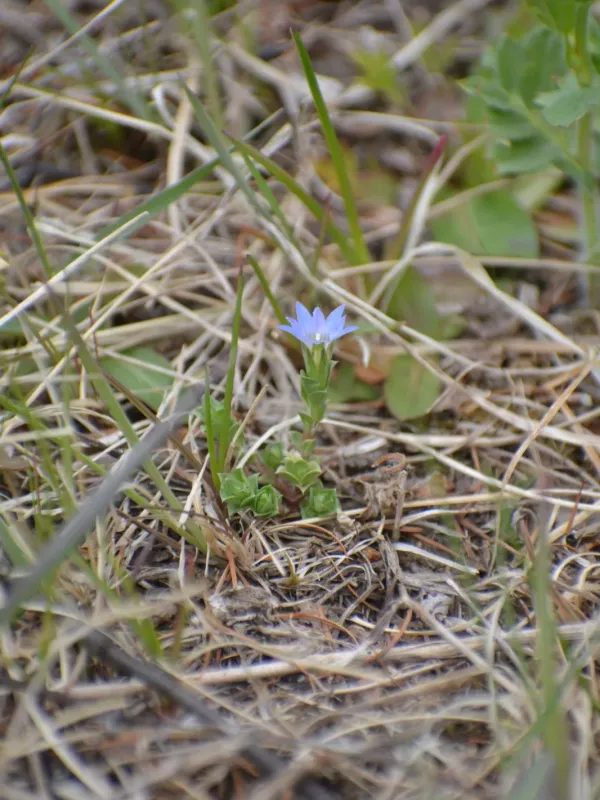
Description
Growing requirements
Gentiana squarrosa is a distinct annual herbaceous plant belonging to the Gentianaceae family. It is native to various mountain regions and meadow habitats across Eurasia, characterized by its adaptation to specific alpine conditions.
The plant requires well-drained, sandy, or rocky soil to thrive, as it is highly sensitive to waterlogging. Good soil aeration is critical for the healthy development of its delicate root system in natural and controlled environments.
Climatic requirements focus on high light intensity and cool to moderate temperatures. The species is well-adapted to high-altitude environments, exhibiting a robust tolerance to cold spells and fluctuating day-night temperatures.
Botanically, it is known for its small, spreading stems and distinct tubular flowers. These morphological traits assist the plant in conserving moisture and ensuring efficient reproduction in harsh, windy conditions.
In terms of cultivation, it is essential to ensure that the site receives full sun. The plant does not perform well in shaded or confined environments, as its metabolic processes rely on high solar radiation.
Main diseases and pests
Fungal pathogens, particularly root rots, represent the most significant threat to Gentiana squarrosa. These diseases typically manifest when soil moisture levels are poorly managed or when drainage is inadequate.
Slugs and snails are the primary pests affecting young plants. They are attracted to the succulent foliage, especially in environments with high humidity, and can quickly devastate a population if left unchecked.
Powdery mildew can pose a risk during periods of stagnant air or overcrowded plantings. Maintaining proper spacing is a fundamental strategy for preventing the spread of such fungal issues.
Aphids occasionally target the developing inflorescences, which can weaken the plant's overall vitality. Monitoring for early signs of infestation is crucial for effective management.
To mitigate these threats, integrated pest management practices should be followed, emphasizing cultural controls such as improving air circulation and carefully regulating the watering regime.