
Chiltern gentian
Gentianella germanica
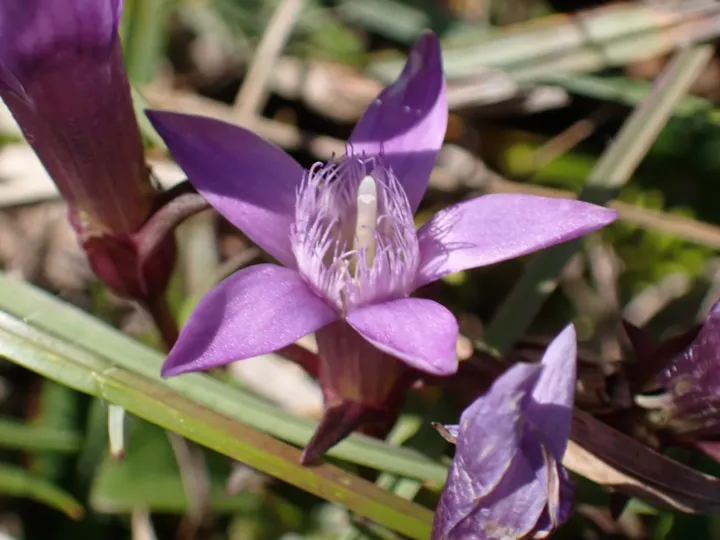
Description
Growing requirements
The Chiltern gentian (Gentianella germanica) is a significant member of the Gentianaceae family. Typically growing as an annual or biennial, it is recognized for its preference for specific calcareous habitats, such as chalk downlands and limestone grasslands common in Europe.
The cultivation of this species requires well-drained, alkaline, or neutral soils. It thrives in nutrient-poor environments where competition from fast-growing grasses and shrubs is naturally suppressed by soil chemistry.
Sunlight exposure is a critical requirement for this plant. As an obligate heliophyte, it struggles to survive in shaded areas, which emphasizes the need for regular vegetation management in areas where it is protected or encouraged to grow.
Climatic preferences include temperate conditions with moderate rainfall. The plant has evolved to withstand seasonal fluctuations, but its delicate root structure is prone to stress if the soil becomes waterlogged or overly compacted during the wet season.
Agrotechnical practices for this species are largely focused on conservation. Because it is highly sensitive to soil enrichment, standard commercial fertilizers should never be applied to land where this gentian is present, as it will inevitably perish due to increased weed competition.
Main diseases and pests
The primary threat to Gentianella germanica is habitat degradation. Nitrogen deposition from agricultural runoff encourages aggressive species that smother the small gentians, leading to local extinction.
Pathogenic fungi represent a significant risk, particularly during unseasonably wet summers. These infections often target the root system, causing rapid decline in plant health before the flowering stage can occur.
Invertebrate pests, such as various species of caterpillars and aphids, may occasionally attack the reproductive structures, preventing seed set and threatening the long-term viability of the colony.
Overgrazing by livestock can cause structural damage to the basal rosette, which is the plant's primary energy reservoir during its first year of life.
Disease management focuses on preserving an open, nutrient-poor, and well-drained habitat. Chemical pesticides are generally avoided as they disrupt the local insect community, which is essential for the pollination of this species.