
Autumn gentian
Gentianella amarella
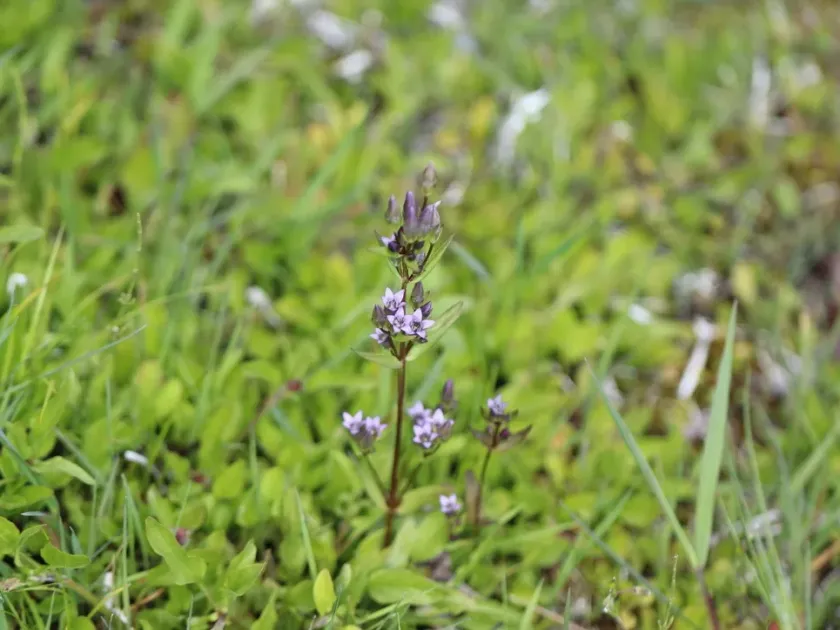
Description
Sowing dates
Seeds of Gentianella amarella are tiny and require a period of cold stratification to break dormancy. Sowing should ideally be done in late autumn to expose the seeds to winter temperatures naturally.
When sowing, seeds should be scattered on the surface of the soil and only lightly pressed in. They require light for germination and should not be buried deep, as this will significantly reduce the success rate of sprouting.
Maintaining consistent surface moisture is critical during the initial germination phase. The soil should be kept damp but never saturated, as the delicate seedlings are prone to damping-off disease in overly wet conditions.
Due to the slow growth rate of seedlings, competition from aggressive weeds must be minimized. Using a weed-free seed bed or starting in containers is recommended to ensure the gentian has enough space to establish its root system.
Optimal planting density should allow for proper airflow to prevent fungal buildup. Overcrowding can lead to increased humidity around the foliage, which is often detrimental to the long-term health of the plant.
Growing requirements
The Autumn gentian (Gentianella amarella) is a biennial or annual herb belonging to the Gentianaceae family. It is valued in traditional medicine for its bitter compounds which are used in various herbal remedies and digestive tonics.
This species is native to temperate regions across the Northern Hemisphere. It typically inhabits chalky grasslands, meadows, and rocky slopes where the soil is nutrient-poor but well-draining, reflecting its specialized adaptation to lime-rich environments.
For cultivation, the plant requires a sunny location with excellent drainage. It is highly sensitive to waterlogged soils, which can quickly lead to root rot. Providing a site with good air circulation is essential for plant vigor.
The soil should have a neutral to alkaline pH level. When planting in garden conditions, it is advisable to incorporate crushed limestone or gravel to mimic the natural calcareous environment that this gentian prefers.
Autumn gentian thrives in climates with cool to moderate temperatures. It is not well-suited for hot, humid summers, which can stress the plant and increase susceptibility to diseases and physiological decline.
Main diseases and pests
Fungal infections, such as powdery mildew and various forms of root decay, are the most frequent threats. These pathogens often manifest when the plant is kept in poor environmental conditions with high humidity and stagnant air.
Gastropods, particularly slugs and snails, are major pests that feed on the foliage. Protecting young plants with physical barriers or organic baits is essential during the early stages of plant development.
Aphids can infest the plants, especially if they are stressed by improper fertilization or suboptimal environmental factors. It is recommended to avoid excessive nitrogen application to maintain a sturdy plant structure.
Competition from weeds is a major agricultural risk. If not managed properly, surrounding vegetation will quickly outcompete the Autumn gentian for resources like sunlight and water, leading to poor growth and low vitality.
Periodic monitoring is the best strategy for maintaining healthy crops. By identifying early signs of stress or pest pressure, growers can implement targeted interventions before the entire patch is compromised.