
Goodaleara
x Goodaleara hort.
Description
Growing requirements
Goodaleara (x Goodaleara) is a complex intergeneric hybrid within the Orchidaceae family, created by cross-breeding four distinct genera: Brassia, Cochlioda, Miltonia, and Odontoglossum. This culture is primarily cultivated for its high ornamental value, serving as a prized specimen for indoor gardening and professional greenhouse collections.
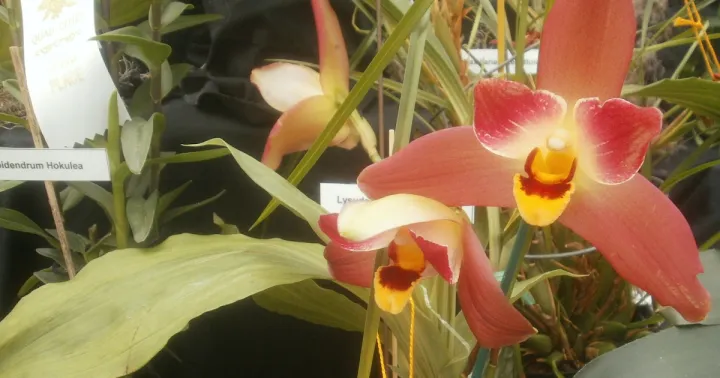
The plant exhibits a sympodial growth habit, producing distinct pseudobulbs that serve as storage organs for water and nutrients. Its leaves are elongated and leathery, providing a backdrop for the impressive inflorescences that carry exotic, often star-shaped or ruffled flowers. The beauty of these hybrids lies in their diverse color palettes and long-lasting blooms.
The cultural requirements demand bright, filtered light to prevent leaf scorching while ensuring sufficient energy for floral development. A steady temperature range of +18°C to +24°C is preferred. Crucially, a diurnal temperature variation, where nights are slightly cooler by several degrees, is essential to induce flowering and ensure plant health.
Soil requirements dictate the use of a specialized, highly porous growing medium rather than traditional garden soil. Orchid bark, combined with perlite, charcoal, and sphagnum moss, is the gold standard for these hybrids. This composition ensures rapid drainage and excellent root aeration, which are fundamental to preventing root rot.
A strict watering schedule is vital, focusing on the soak-and-dry method. Irrigation should be applied only when the potting media has nearly dried out. Water quality is also significant, as these plants are sensitive to dissolved salts. Maintaining humidity levels between 50% and 70% is recommended, alongside proper ventilation to keep the foliage dry.
Main diseases and pests
Pest management is a critical aspect of Goodaleara care, with spider mites, scale insects, and mealybugs being the primary threats. These pests thrive in dry environments and can quickly colonize the plant, causing yellowing, leaf drop, and stunted growth. Frequent monitoring and the use of targeted insecticidal treatments are necessary for control.
Fungal and bacterial diseases are common consequences of improper moisture management, particularly root rot and leaf spot pathogens. Ensuring a sterile environment, utilizing high-quality media, and allowing the plant to breathe are the best preventative measures. When signs of rot appear, surgical removal of affected tissue followed by fungicide application is required.