
Gentianella columnae
Gentianella columnae
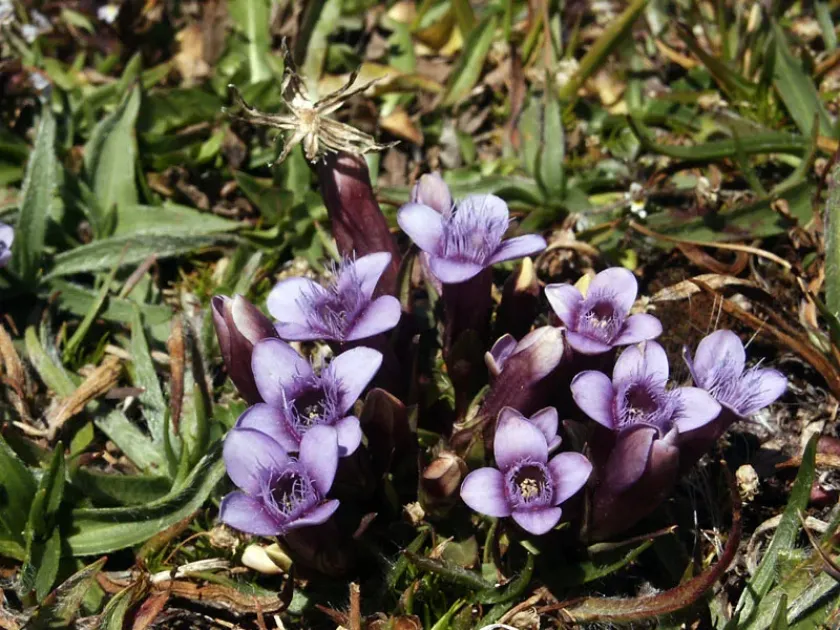
Description
Sowing dates
Gentianella columnae, a member of the Gentianaceae family, is a specialized crop that demands precise handling, particularly during the germination phase of its life cycle.
Seeds of this species exhibit dormancy that must be overcome through cold stratification, mimicking the natural winter conditions of its high-altitude native habitat.
The most successful sowing method is outdoor winter sowing, which allows the seeds to undergo natural fluctuations in temperature and moisture before springtime emergence.
If sowing in controlled indoor conditions, it is mandatory to refrigerate the seeds for at least eight to twelve weeks at temperatures near freezing to initiate physiological processes.
The planting medium should be sterile, light, and well-draining, as the seeds are microscopic and require sufficient exposure to light to trigger successful sprouting.
Growing requirements
Cultivating Gentianella columnae requires simulating an alpine environment, characterized by moderate temperatures, high light intensity, and extremely well-draining substrates.
The plant thrives in rocky or sandy soils with a neutral to slightly acidic pH, which helps maintain the structural integrity of the soil for long-term root health.
In agricultural practice, it is crucial to avoid rich, organic-heavy fertilizers, as this species is adapted to nutrient-poor soils and can suffer from excessive growth stimulation.
High humidity combined with fresh, circulating air is essential for the plant's metabolic activity, while stagnant air should be avoided to prevent fungal issues.
Careful attention must be paid to irrigation, as the root system is highly sensitive to hypoxia caused by waterlogged soil conditions during the dormant or growing season.
Main diseases and pests
Pathogenic fungi are the primary threats to Gentianella columnae, often appearing when humidity levels are uncontrolled or when drainage systems fail to remove excess moisture.
Root rot is the most common cause of crop loss; therefore, agronomists emphasize the importance of monitoring soil moisture and preventing surface water accumulation.
Slugs and snails present a significant threat, as they are attracted to the young, tender leaves and can easily cause severe damage to the plant's photosynthetic structure.
Aphid infestations are frequently encountered in warmer, confined environments, necessitating integrated pest management strategies to protect the health of the cultivation.
To maintain a healthy crop, it is recommended to implement regular weeding and maintain optimal spacing between plants to ensure proper airflow and light penetration.