
Gentiana zollingeri
Gentiana zollingeri
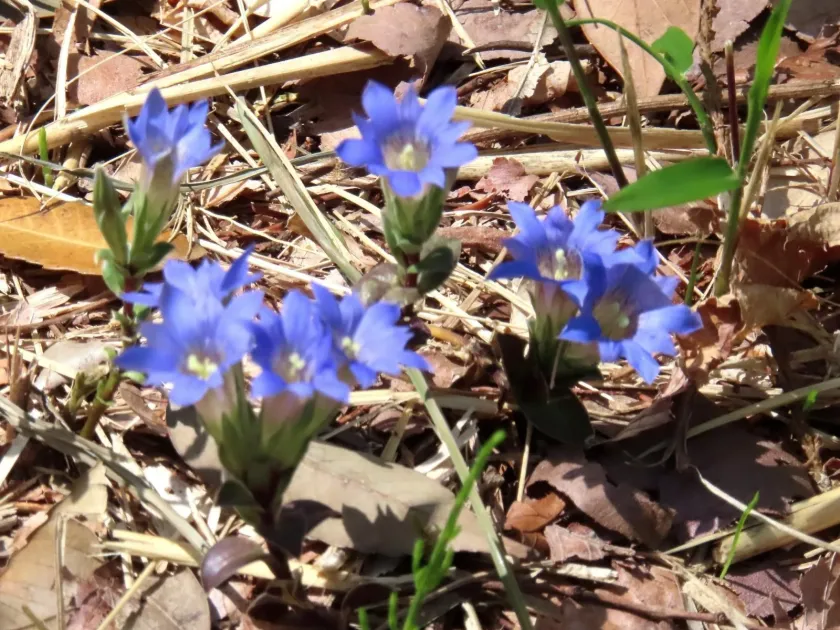
Description
Sowing dates
Sowing Gentiana zollingeri is best performed in late autumn, as the seeds require a period of cold stratification to break dormancy. This natural process ensures higher germination rates when temperatures rise in early spring.
When grown in containers, seeds should be sown in a well-draining substrate and kept in cold frames or unheated greenhouses throughout the winter. It is crucial not to cover the seeds deeply, as light is beneficial for their germination process.
The optimal time for outdoor sowing is late October or November, ensuring the seeds remain in the soil through the winter months. This protects them from erratic temperature fluctuations that can occur in early spring.
If sowing is delayed until spring, the seeds must undergo artificial stratification in a refrigerator for approximately eight weeks. Keeping the substrate consistently moist but not waterlogged is essential for successful seedling development.
Seedlings emerge slowly and require delicate handling. Maintaining a stable, cool environment during the first stages of growth is key to preventing the fragile sprouts from drying out or suffering from heat stress.
Growing requirements
Gentiana zollingeri belongs to the Gentianaceae family and is an alpine perennial native to East Asian mountain regions. It is highly valued in horticulture for its vibrant, deep-colored flowers and compact growth habit.
The species thrives in cool, well-drained soil rich in organic matter. A neutral to slightly acidic pH is ideal for promoting healthy root growth and nutrient absorption, which is essential for the plant's long-term survival.
It prefers a position in full sun to partial shade, depending on the local climate. In regions with scorching summers, afternoon shade is highly recommended to protect the plant from overheating and leaf desiccation.
The plant demonstrates excellent hardiness, making it suitable for temperate zones. Proper mulching with fine gravel or crushed stone around the base helps maintain cool root temperatures and protects the plant during harsh winters.
Adequate moisture is necessary during the active growing season. While the plant requires regular watering, it is strictly intolerant of stagnant water. Ensuring perfect drainage is the most critical factor for successful cultivation.
Main diseases and pests
Fungal diseases, specifically gray mold (Botrytis), pose a significant threat during periods of high humidity and poor air circulation. Proper spacing between individual plants is essential to promote good airflow.
Slugs and snails are the most common pests that feed on the soft tissue of the leaves and emerging buds. Using physical barriers or organic pest control methods is often necessary in damp gardening conditions.
Powdery mildew can occur in stagnant air conditions or when plants are subjected to severe moisture stress. Keeping the planting area clean and removing affected foliage promptly helps manage the spread of the infection.
Aphids occasionally target the developing flower buds, which can lead to distorted or stunted blossoms. Monitoring for these pests in late spring allows for early intervention with mild insecticidal soaps.
Soil-borne insects can occasionally cause damage to the root system. Maintaining healthy, fertile soil and practicing good sanitation in the rock garden significantly reduces the risk of soil-related infestations.