Hexoran
Жеджианг Хебен Пестисайд енд Кемікалс Ко., Лтд., Китай
Insecticides
0
0
·
48
2 offers
84.36 €per 1 l
Buy
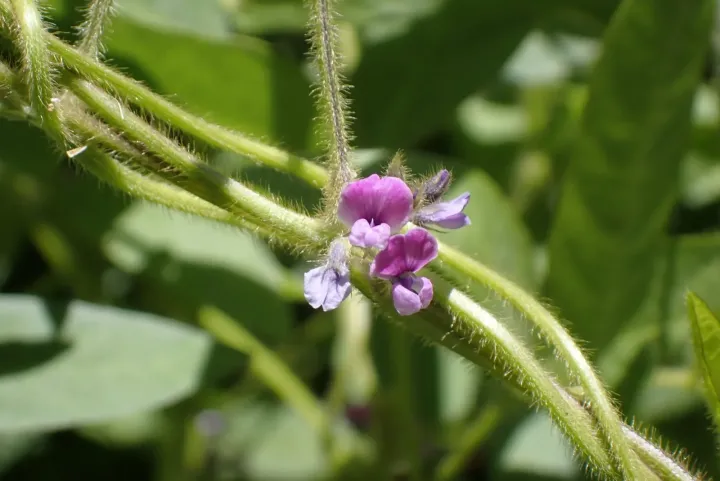
Soybeans are typically planted when soil temperatures at the seeding depth reach at least 10–12°C.
Early planting is preferred to capture spring moisture, although it must be timed to avoid late frosts.
Seeds are usually sown at a depth of 3–5 cm to ensure uniform germination and strong seedling establishment.
Inoculation with specific nitrogen-fixing bacteria is an essential step for healthy soybean growth and improved yields.
Proper plant population density is achieved by adjusting row spacing to suit the specific variety and soil fertility levels.
The soybean (Glycine max) belongs to the Fabaceae family and is a key crop for both human consumption and industrial use.
It performs best in temperate climates, requiring consistent moisture during the flowering and pod-filling growth stages.
Ideal soil for soybean cultivation is deep, well-drained loam or silt loam with a neutral pH balance.
The plant is highly responsive to sound agronomic practices, including proper fertilization with phosphorus and potassium.
Soybeans serve as an excellent component in crop rotations due to their ability to naturally enrich the soil with nitrogen.
Common fungal diseases affecting the crop include Alternaria blight, anthracnose, Helminthosporium, Rhizoctonia, and Sclerotinia.
Viral threats such as pepper mottle virus, tomato mosaic virus, and tobacco mosaic virus can severely impede plant development.
Key insect pests include the lima bean pod borer, cabbage white butterfly, gall midges, loopers, and the European corn borer.
Curculios (weevils) also present a significant risk by causing damage to stems and developing reproductive structures.
Effective management strategies require a combination of regular field scouting and the use of approved chemical treatments.
Soybean harvest begins when seeds reach physiological maturity, usually indicated by 14–16% grain moisture and leaf drop.
Timely harvest is critical to prevent pod shattering and field losses caused by fluctuating weather conditions.
Combines should be carefully adjusted to minimize seed cracking and damage while maximizing the volume of clean grain.
Post-harvest conditioning includes thorough cleaning and drying to ensure stability during storage periods.
Maintaining low moisture levels in storage is essential to prevent fungal growth and protect the grain from potential infestations.