
Description
Symptoms
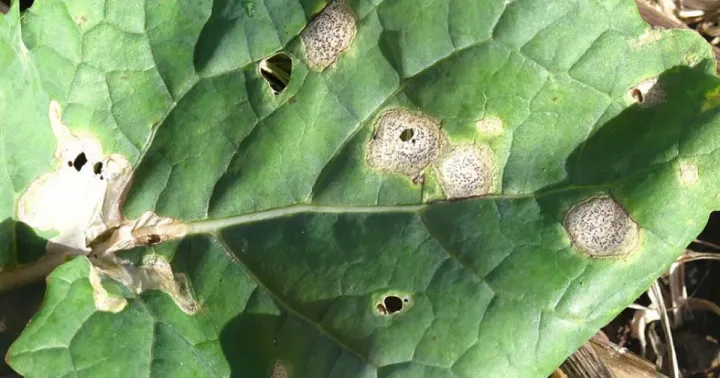
The primary symptom is the appearance of leaf spots, which range in shape from round to angular, often surrounded by a darker margin that serves as a diagnostic sign.
Within the necrotic centers of these spots, the fungus forms small black fruiting bodies called pycnidia, which are visible to the naked eye or through a magnifying glass.
As the disease progresses, spots may coalesce, covering large areas of the leaf blade, which leads to premature yellowing and leaf fall, significantly impairing the plant's photosynthetic capacity.
On stems, symptoms manifest as sunken, discolored lesions. In severe cases, these lesions can girdle the stem, causing wilting and death of the plant parts above the infection site.
In crops like beans or soybeans, the infection can spread to the pods, resulting in necrotic lesions that cause seed deformation and a significant decline in the quality of the harvested crop.
Pathogen
The causative agent of this disease is the fungal pathogen Boeremia exigua (formerly Phoma exigua or Phyllosticta spp.). It belongs to the class of deuteromycetes and is capable of surviving in plant debris, soil, and seeds as pycnidia and mycelium.
The pathogen's life cycle is closely linked to humidity levels. In favorable conditions, the fungus produces conidia, which are spread by rain splashes, wind, insects, and agricultural machinery, infecting healthy host tissues.
The disease affects a wide range of plants, including significant agricultural crops such as soybean, common bean, peanut, spinach, and tropical trees like mango.
Infection typically occurs through mechanical injuries, stomata, or natural openings in plant tissues. The pathogen produces enzymes and toxins that degrade cell walls, facilitating rapid colonization of the host plant.
Biological specialization allows the fungus to parasitize both vegetative parts and reproductive organs, which complicates effective disease management in field conditions.
Conditions for development
Development and rapid spread of Boeremia exigua are favored by high relative humidity (above 80-90%) and moderate temperatures, typically between +18 and +25 degrees Celsius.
Frequent rain events or heavy dew provide the necessary moisture for conidia germination and host tissue invasion, contributing to widespread secondary infections throughout the field.
Poor agricultural practices, such as high-density planting, lead to stagnant air and increased humidity in the crop canopy, creating an optimal microclimate for the pathogen.
Insufficient ventilation in greenhouse or tunnel systems during the cultivation of susceptible species is a critical factor that can trigger sudden outbreaks of the disease.
Stressed plants suffering from nutrient deficiencies, temperature extremes, or insect damage are significantly more susceptible to infection by this fungus compared to healthy, vigorous plants.
Why it matters
The primary impact of Phyllosticta leaf spot is the premature destruction of the photosynthetic surface, leading to reduced accumulation of biomass and lower overall plant vigor.
Massive development of the disease leads to significant yield losses, as plants are unable to allocate sufficient nutrients to fruit and seed development.
Crop quality is severely compromised; seeds may become shriveled or deformed, and they can harbor the pathogen, making them unsuitable for replanting without proper treatment.
In perennial crops like mango, infection of branches can cause dieback, reducing the tree's productive lifespan and necessitating expensive pruning and maintenance.
Economic losses include both direct yield reduction and the increased costs associated with repeated fungicide applications and the rejection of infected produce during storage.
Protection
The foundation of effective disease control is a robust crop rotation program that excludes susceptible plants from the same area for several years, thereby breaking the soil-borne infection cycle.
Sanitation is essential; all crop residues must be destroyed or deeply incorporated into the soil after harvest to eliminate the primary sources of overwintering inoculum.
The use of high-quality, certified seeds treated with effective fungicides is critical to preventing the introduction of the pathogen into new areas and ensuring healthy seedling emergence.
Regular monitoring of crop health is necessary to detect early infection, followed by the application of appropriate contact or systemic fungicides based on local regulatory standards.
- Maintaining optimal plant spacing to promote airflow and reduce canopy humidity.
- Weed management to eliminate alternative hosts for the pathogen.
- Applying balanced fertilizer programs to boost plant immunity.
- Utilizing resistant cultivars and hybrids whenever available.
Pathogens and affected parts
Affects crops · 5
Discussion
No discussions yet — be the first.