
Description
Symptoms
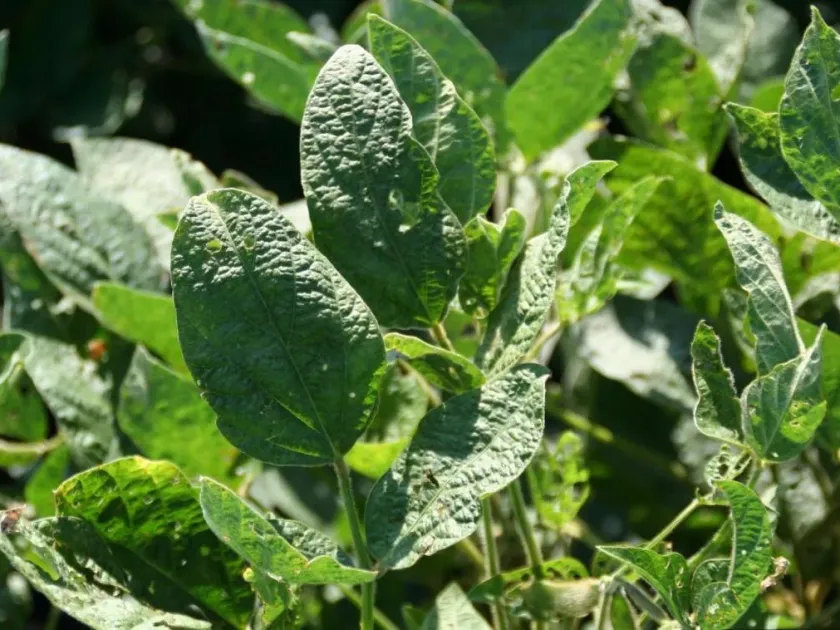
The most common symptoms include a mosaic pattern on the leaves, characterized by alternating patches of light and dark green. Leaves often appear puckered, wrinkled, or otherwise deformed.
Infected plants typically show stunted growth and shortened internodes. Early-season infection often leads to severe dwarfism, significantly reducing the plant's overall size and biomass.
Seeds from infected plants often display discoloration, particularly around the hilum. This pigment can spread across the entire seed coat, a classic sign of systemic infection within the pod.
The visibility of symptoms is often temperature-dependent. Hotter conditions can mask the viral presence, while cooler temperatures often make the mosaic patterns more pronounced.
Reduced leaf surface area affects the plant's photosynthetic capacity. This leads to weakened plant vigor and increased susceptibility to other environmental or biotic stressors.
Pathogen
The causal agent of this disease is the Soybean mosaic virus (SMV), a member of the Potyvirus genus. It is a viral pathogen with a positive-sense single-stranded RNA genome.
The primary source of infection is contaminated seed. The virus is seed-borne, allowing it to survive long-term and facilitate widespread outbreaks in new agricultural seasons.
During the growing season, the virus spreads through mechanical contact between infected and healthy plants. Additionally, various aphid species act as efficient vectors, transmitting the virus while feeding on plant tissues.
Alternative hosts, such as perennial legumes and various weed species, provide a bridge for the virus to survive throughout the year, serving as constant sources of inoculum.
The virus exhibits significant genetic diversity, with numerous strains identified. Different isolates can trigger varying degrees of disease severity in both soybean and common bean crops.
Conditions for development
Viral development is favored by moderate temperatures, which also support the population growth of aphids, the primary insect vectors of the disease.
High moisture levels often lead to lush vegetative growth, which can attract aphids. This synergy between plant development and pest density increases the spread rate of SMV within the field.
Mechanical damage to plants during cultivation can facilitate the spread of the virus. Contaminated machinery can move the pathogen from infected areas to healthy sections of the field.
The accumulation of inoculum in the field depends on the history of the crop. Planting in areas with a history of leguminous weeds or previous infections increases the infection pressure.
Virus transmission is highly efficient in the seedling stage if the seeds themselves are contaminated. This early infection provides an immediate source for further spread by secondary vectors.
Why it matters
The economic impact of Soybean mosaic virus is primarily realized through significant reductions in seed yield. Plants affected early in the season produce fewer pods and smaller seeds.
Seed quality is severely compromised. In addition to lower weight, seeds from infected plants often show reduced germination rates and altered biochemical composition, including lower oil and protein content.
Viral infection drains plant resources, resulting in a general decline in overall health. This weakens the plant's natural defense mechanisms against fungal and bacterial pathogens.
Management costs increase as farmers must invest in insecticide applications and clean, certified seed stocks to prevent recurring outbreaks and field-wide losses.
In severe cases, yield losses can reach 30% to 50%. The loss of market value for the harvested grain, due to discoloration and lower oil/protein quality, adds to the negative impact.
Protection
The most effective strategy is the use of disease-free, certified seeds. Testing for SMV before planting is the gold standard for preventing primary inoculum introduction.
Cultivating resistant or tolerant soybean varieties is the most practical solution. Breeding programs continuously aim to incorporate SMV resistance to stabilize crop yields.
Managing aphid populations with systemic insecticides can help control the secondary spread of the virus within the field, especially during the early stages of plant development.
Field sanitation is essential, which includes the thorough removal of weeds that can host the virus. Creating a clean environment reduces the likelihood of vector-mediated infection.
- Maintaining spatial isolation from existing legume patches.
- Implementing rigorous crop rotation to break the disease cycle.
- Regular scouting for symptomatic plants to manage infection foci.
- Avoiding mechanical damage to plants during field operations.
Pathogens and affected parts
Affects crops · 2
Discussion
No discussions yet — be the first.