
Description
Symptoms
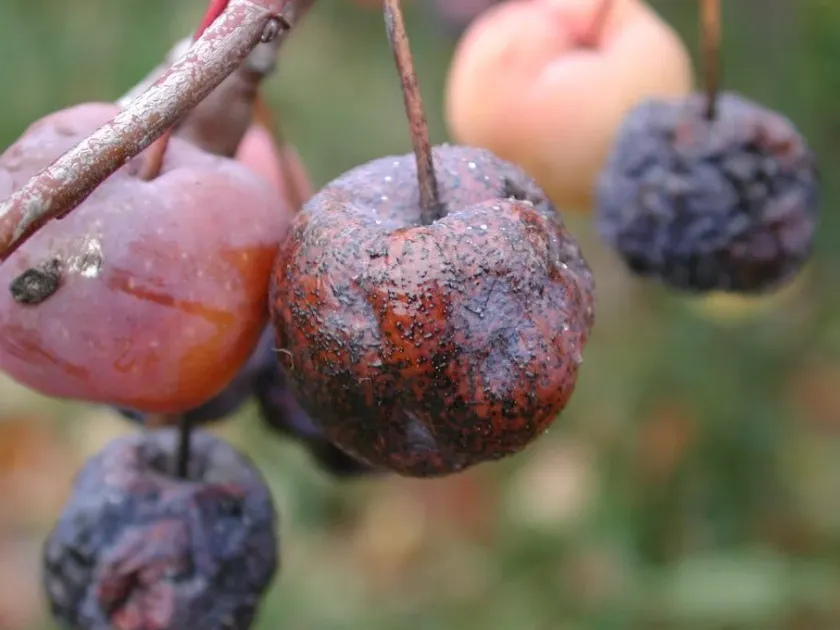
The primary symptom of red collar rot is the development of distinct reddish-brown necrotic lesions specifically on the crown or collar area of the plant.
As the infection progresses, the tissues in the collar region soften and become prone to decay, which compromises the structural integrity of the plant stem.
Under conditions of high humidity, the pathogen may produce small, dark-colored fruiting bodies on the surface of the infected lesions.
Visual manifestations include yellowing leaves and a gradual wilting process, as the vascular system becomes unable to transport nutrients effectively.
Eventually, the root system may become severely damaged, leading to plant death and significant gaps in crop stand density.
Pathogen
The disease is caused by a fungus in the genus Phacidiopycnis, which belongs to the class of anamorphic fungi (Deuteromycetes).
This pathogen acts as a soil-borne fungus, demonstrating high persistence and the ability to survive on plant debris for extended periods.
It acts as a parasite on various plants, notably affecting soybean and common hop, by invading host tissues through wounds or natural pores.
The biological lifecycle of the fungus is characterized by the production of spores that facilitate its spread across the field via moisture and wind.
Once inside the plant, the mycelium degrades cellular walls, disrupting the plant's physiological processes and overall vigor.
Conditions for development
Red collar rot thrives in environments characterized by excessive soil moisture and poor drainage, which favor fungal development.
The pathogen is particularly active during cool, damp spring weather, which creates ideal conditions for initial infection and colonization.
Inadequate crop rotation practices significantly increase the risk of disease, as the fungal inoculum accumulates in the field over consecutive seasons.
Mechanical damage to the collar area, often caused by field equipment or root-feeding pests, provides easy entry points for the fungal mycelium.
High planting density restricts airflow at the soil level, maintaining a humid microclimate that accelerates the progression of the disease.
Why it matters
The main consequence of the disease is a drastic reduction in stand uniformity, leading to lower yields and potential total crop failure in extreme cases.
In hops, the infection directly impacts the quality of the cones, while in soybeans, it significantly reduces seed yield and vigor.
Plants affected by collar rot become highly susceptible to opportunistic secondary pathogens, which can complicate the overall disease diagnosis.
Financial losses stem from the costs associated with fungicide applications, labor for management, and reduced marketable quality of the harvested crop.
Long-term soil infestation makes it difficult to cultivate susceptible species in the same field for several subsequent years.
Protection
Integrated disease management begins with rigorous crop rotation, ensuring a sufficient break period between susceptible host crops.
Field preparation must focus on soil drainage improvements to minimize waterlogging and prevent creating a favorable environment for the pathogen.
Seed treatment with high-quality systemic fungicides is essential to provide early-stage protection against soil-borne fungal pathogens.
- Planting certified, pathogen-free seeds.
- Managing pests that cause physical damage to the plant crown.
- Optimizing fertilizer application to support plant immunity.
- Thorough removal and destruction of crop residues after harvesting.
When localized outbreaks occur, rapid application of registered fungicides is necessary to contain the spread and minimize damage to the overall crop.
Pathogens and affected parts
Affects crops · 2
Discussion
No discussions yet — be the first.