
Description
Symptoms
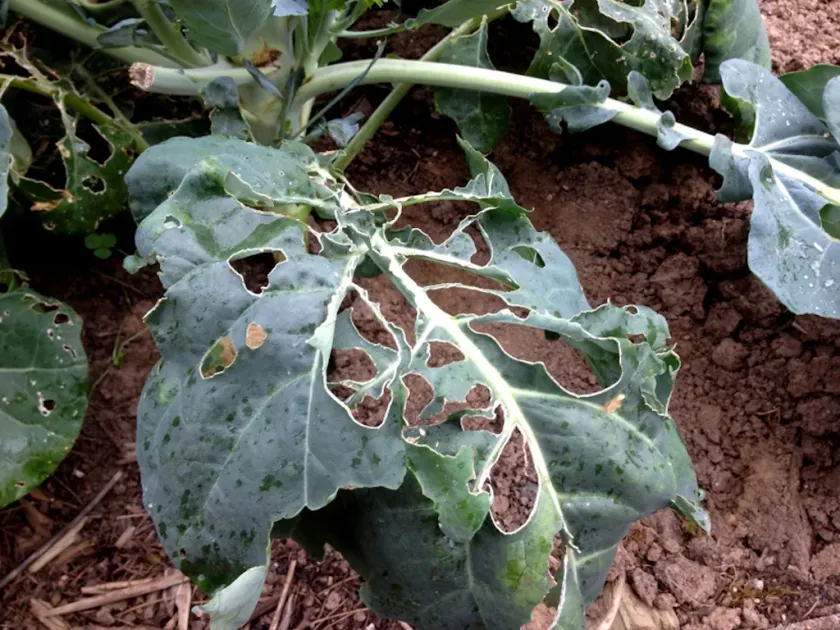
The most common sign of hail damage is mechanical tearing of leaf tissue, stems, and reproductive organs. Leaves often appear shredded, with jagged holes or completely severed petioles.
On soybean stems, hail causes visible bruising, epidermis scarring, and deep wounds. The affected tissue often turns dark brown due to necrosis shortly after the impact event.
If the terminal bud or growing point is destroyed, the plant's architecture changes significantly, often forcing the development of axillary buds instead of the main stem.
During the flowering stage, hail causes widespread abscission of blossoms and young pods, directly threatening the final yield potential of the crop.
Over time, these mechanical injuries can become necrotic, leading to leaf yellowing and stem weakness, which are primary indicators of long-term stress on the plant.
Pathogen
Hail damage is an abiotic stressor rather than a biological disease. However, it is a critical factor in plant pathology as it compromises the physical integrity of the plant.
Open wounds on the plant surface serve as primary entry points for various bacterial and fungal pathogens, such as Fusarium or various bacterial blights common in soybean crops.
Pathogens present in the soil or on crop residue can easily colonize damaged tissues, especially when high humidity follows the storm event.
The energy the plant must divert to callus formation and wound healing leaves the soybean vulnerable to opportunistic infections that would otherwise be rejected by a healthy plant.
Therefore, hail damage effectively lowers the disease resistance of the entire field, necessitating proactive management to prevent secondary outbreaks of more severe diseases.
Conditions for development
The primary condition for hail damage is the passage of convective storms, which produce ice pellets that vary in size and intensity of impact.
The vulnerability of the crop is highest during periods of rapid vegetative growth, as the expanded leaf canopy acts as a large target for hailstones.
Strong winds associated with thunderstorm activity exacerbate the damage, causing the stems to whip and increasing the kinetic energy of the hailstones upon impact.
High humidity and rainfall often accompany hail events, providing the perfect environmental conditions for the rapid multiplication of pathogens on injured tissues.
Fields situated in open areas without natural windbreaks or shelter belts are statistically more prone to severe hail impacts due to lack of protection.
Why it matters
The immediate harm is the reduction in photosynthetic leaf area, which limits the plant's ability to produce the sugars necessary for grain development.
Mechanical damage to the vascular system of the stem disrupts the transport of water and nutrients, resulting in physiological stunting and delayed maturity.
Loss of flowers and young pods results in a direct reduction in seed count, which can lead to significant yield losses if the hail hits during critical reproductive stages.
Increased susceptibility to secondary diseases can lead to premature plant death, further compounding the yield gap compared to a healthy, undamaged field.
Ultimately, hail negatively impacts both quantity and quality, often resulting in smaller seed sizes and reduced test weight at harvest.
Protection
The first step is a thorough field assessment within 48 to 72 hours after the storm. Check for the survival of the growing point and the extent of stem damage.
Application of broad-spectrum fungicides is highly recommended to protect injured tissues from colonizing pathogens, particularly in humid conditions.
Utilizing foliar applications of amino acids, growth stimulants, and micro-nutrients can help the plant recover faster by reducing physiological stress and supporting rapid cell division.
In cases of catastrophic damage where the stand count is severely reduced or the plants are unable to recover, replanting should be considered based on the remaining growing season.
- Monitor field conditions immediately after the storm.
- Apply protective fungicides to seal open wounds.
- Use biostimulants to promote rapid recovery.
Pathogens and affected parts
Affects crops · 1
Discussion
No discussions yet — be the first.