
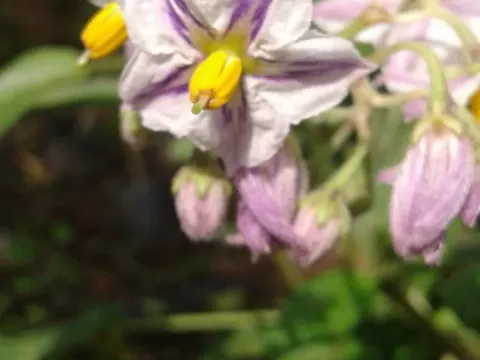
Pepino
Solanum muricatum Aiton
Pepino, or Solanum muricatum, is a perennial shrub in the Solanaceae family that is typically cultivated as an annual or greenhouse crop in non-tropical regions.
What the section contains
Pepino
Propagation is most efficiently achieved through stem cuttings, which allow for a quicker establishment and guarantee the uniformity of the fruit characteristics.
When starting from seeds, planting should begin in late winter to allow for a sufficiently long growing season before the arrival of autumn temperatures.
Seedlings or cuttings require a warm, stable environment during the germination and rooting phases to develop a robust root system before transplantation.
Transplanting into the permanent growing site should only occur once all danger of frost has passed and soil temperatures have consistently risen above 15 degrees Celsius.
This crop thrives in sunny locations with well-drained, fertile soil that maintains a slightly acidic to neutral pH balance for optimal nutrient absorption.
Pepino is highly sensitive to extreme temperatures, requiring a moderate climate to prevent flower drop and ensure successful fruit set.
Adequate moisture is essential, but the crop requires careful irrigation management to prevent waterlogging, which often leads to root disease.
Pruning is a mandatory agronomic practice; removing lateral suckers helps to direct the plant's energy toward fruit development and improves air circulation.
Trellising or providing support for the brittle stems is crucial, as the weight of the developing fruit can cause the plant to collapse and touch the soil.
The yield of pepino is highly responsive to the quality of care, with well-managed plants producing several kilograms of fruit per season.
Fruits require a significant amount of time to reach maturity, often taking several months from the point of flowering to full ripeness.
The nutritional profile of the fruit includes essential vitamins and antioxidants, making it a valuable specialty product for local markets.
Application of balanced fertilizers rich in potassium during the fruiting stage significantly enhances the size, sweetness, and overall quality of the harvest.
Strategic thinning of the flower clusters can result in fewer, but much larger and higher-quality fruits, which are preferred for commercial distribution.
Pepino is susceptible to common solanaceous pests, including aphids, spider mites, and the Colorado potato beetle, which can cause severe foliage damage.
Fungal diseases like powdery mildew and late blight represent major threats, particularly in environments with high humidity or poor ventilation.
Preventive measures include the use of disease-free propagation material and maintaining high standards of hygiene within the growing area.
Early detection of pests allows for effective control through integrated pest management strategies, minimizing the need for heavy chemical intervention.
Maintaining proper spacing between plants is a vital preventative measure that reduces the microclimate humidity conducive to fungal infections.
Harvesting should be timed to coincide with the stage where the fruit skin changes color to pale yellow, often accompanied by distinct purple stripes.
A ripe pepino melon feels slightly soft to the touch and releases a characteristic fragrance, indicating that sugar levels are at their peak.
Fruits are harvested by gently cutting the stem, ensuring the calyx remains attached to the fruit to maintain its shelf life after picking.
Post-harvest, the fruits show remarkable durability and can be stored in cool, dark conditions for several weeks without losing flavor.
Care must be taken during handling, as the skin of the pepino is relatively thin and susceptible to bruising during transit or storage.