
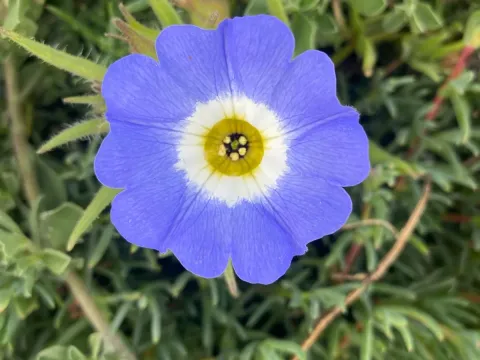
Nolana acuminata
Nolana acuminata
Seeds of Nolana acuminata are typically sown indoors in late March or early April, maintaining a steady temperature of around 20–22 degrees Celsius. The seeds require light for germination, so they should be pressed lightly into the soil surface rather than buried deeply.
What the section contains
Nolana acuminata
In regions with milder climates, direct sowing in the open garden is possible once the risk of frost has passed and the soil has warmed to at least 15 degrees Celsius. It is crucial to maintain appropriate spacing between plants, as this species tends to spread rapidly.
For container-raised plants, pricking out should be done at the stage of two true leaves into individual pots. This practice encourages the development of a robust root system, which helps the young plants establish more quickly once they are transplanted into their permanent outdoor location.
Hardening off should commence two weeks before the final transplant date to acclimate the seedlings to ambient outdoor conditions and direct sunlight. Planting into the flower bed usually occurs in May, ensuring the plant has enough time to establish itself before the peak summer heat.
The selection of the planting site should prioritize spots with full sun exposure and protection from strong gusts. Abundant sunlight is a vital factor for promoting profuse blooming and maintaining the characteristic dense, mound-like growth habit of the plant.
Nolana acuminata belongs to the Solanaceae family and originates from the arid coastal regions of Chile and Peru. This species is highly valued in horticulture for its resilience and ability to thrive in poor, sandy soils that would be unsuitable for many other garden flowers.
The culture requires well-drained soil to thrive, as it is particularly sensitive to waterlogging. Stagnant water can lead to rapid root rot, so incorporating grit or sand into the planting medium is highly recommended, especially in areas with clay-heavy soil composition.
Optimal growth occurs in light, sandy or loamy soils with a neutral to slightly alkaline pH. These conditions mirror the plant's natural habitat, promoting healthy foliage development and preventing the stems from becoming unnecessarily elongated or weak.
As a natural xerophyte, Nolana acuminata exhibits excellent drought tolerance, making it an ideal candidate for rock gardens and xeriscaping. While it can withstand periods of low water, occasional supplemental watering will improve its visual appeal and blossom density.
The ideal temperature range for this plant is between 18 and 25 degrees Celsius. Extreme cold is detrimental, and sustained high humidity can also be challenging for this species, so ensuring a well-ventilated location in the garden is essential for long-term health.
Fungal infections, often triggered by excessive soil moisture and poor airflow, are the primary threat to the health of Nolana acuminata. Powdery mildew is the most common disease, which may require the application of appropriate systemic fungicides if left unmanaged.
Root rot is a critical concern, usually resulting from inadequate drainage or over-irrigation. Signs of this issue include sudden wilting and yellowing of the foliage, and once root tissue is severely compromised, recovery is often impossible, necessitating the removal of the plant.
Common garden pests such as aphids and spider mites frequently target the plant during hot, dry spells. Regular inspection of the foliage, particularly the undersides of leaves, is necessary to catch infestations early and treat them with gentle insecticidal soaps or neem oil.
Slugs and snails can cause significant aesthetic damage by feeding on the tender leaves and flowers. Implementing physical barriers or using pet-safe slug bait around the base of the plant can effectively manage these populations without harming the garden ecosystem.
Good cultural practices, such as maintaining proper spacing to ensure adequate air circulation and avoiding overhead watering, significantly reduce the risk of disease. A well-placed, healthy plant will typically display high natural resistance to most common garden pathogens.