
Solanum aethiopicum
Solanum aethiopicum L.
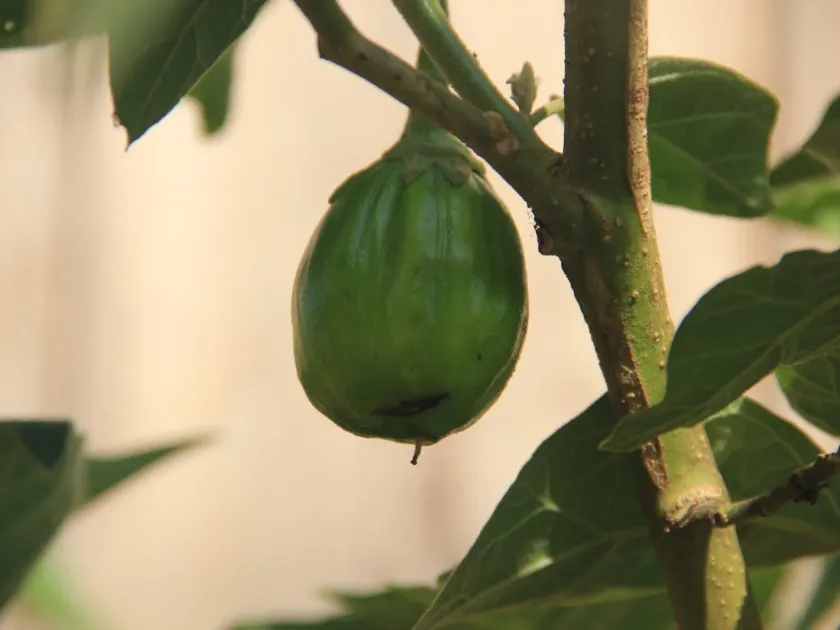
Description
Sowing dates
Solanum aethiopicum L., commonly known as the Ethiopian eggplant or scarlet eggplant, belongs to the Solanaceae family. Seeds should be started indoors 60–80 days before the last expected frost, typically in late winter or early spring.
Optimal germination requires soil temperatures between +22°C and +25°C. Using a well-draining, nutrient-rich potting mix is essential for the healthy development of seedlings during the early stages of growth.
Seedlings should be transplanted once they develop two sets of true leaves. Hardening off the plants by gradually exposing them to outdoor conditions for two weeks prior to final planting is a critical step for survival.
Transplanting into the garden takes place when all danger of frost has passed and soil temperature is consistently above +15°C. A spacing of 50–60 cm between plants is recommended to allow for adequate foliage growth and airflow.
The crop responds well to direct sowing in regions with long growing seasons, provided the seeds are planted at a shallow depth of 1.5–2 cm and the soil is kept consistently moist throughout the germination phase.
Growing requirements
Solanum aethiopicum thrives in full sun exposure. It requires at least 6–8 hours of direct sunlight daily to produce high-quality foliage and fruit, as limited light results in leggy growth and lower yield.
Well-drained, fertile soil rich in organic matter is ideal for this crop. It prefers a slightly acidic to neutral pH range, and it performs best in soils that are structural enough to prevent waterlogging.
Watering should be consistent, especially during the flowering and fruit-setting stages. While the plant is somewhat drought-tolerant, irregular watering leads to poor fruit development and bitter taste.
Fertilization with a balanced NPK fertilizer is beneficial throughout the growing season. Incorporating compost or well-rotted manure during land preparation provides the necessary slow-release nutrients for the crop.
In temperate zones, the plant is best grown in greenhouses or tunnels to ensure the necessary heat levels. It is highly sensitive to cold, and protection against wind is needed to maintain plant vigor.
Yield
This crop is highly productive, with plants capable of producing numerous fruits throughout the season. Harvesting generally begins 80 to 120 days after transplanting, depending on the specific variety and growing conditions.
The plant has dual utility: the leaves serve as a nutritious leafy vegetable, while the fruits are harvested for culinary use. Harvesting leaves periodically does not harm the plant if done moderately.
Frequent harvesting of fruits is recommended to encourage continuous flowering and fruit set. Leaving mature fruits on the plant for too long can signal the plant to reduce further production for the season.
Yield varies significantly based on environmental stability and soil fertility. With proper management and pest control, growers can expect a consistent output of fruit until the first cold temperatures of autumn.
The nutritional content of the fruits, rich in minerals and vitamins, makes Solanum aethiopicum a valuable niche crop for farmers targeting health-conscious markets and diverse culinary preferences.
Main diseases and pests
Major pests include the Colorado potato beetle and spider mites, which can cause severe foliage damage. Regular field scouting and the use of integrated pest management strategies are crucial for mitigation.
Common fungal diseases such as late blight and early blight pose risks, especially in humid conditions. Preventive fungicide applications and ensuring proper ventilation between plants help keep these pathogens under control.
Aphids can transmit viral diseases like mosaic virus, leading to stunted growth. Maintaining a clean field and controlling weed hosts around the garden are important steps to prevent viral infections.
Root rot is a frequent issue when soil drainage is poor. Ensuring that the soil remains aerated and that water does not pool around the base of the plant is vital for healthy root system development.
Crop rotation is strongly advised; avoid planting Solanum aethiopicum after other nightshade crops like tomatoes, potatoes, or peppers to reduce the soil-borne disease load and manage nutrient depletion.
Harvesting
Fruits should be harvested when they reach full size but are still firm to the touch. The specific harvest maturity depends on the intended use; some varieties are harvested while green, others when bright red.
Use pruning shears to cut the fruit from the stem rather than pulling it off by hand. This careful harvesting method prevents damage to the branches and maintains the integrity of the plant for future harvests.
Leaf harvesting involves selecting younger, tender leaves. It is best to avoid removing more than one-third of the total foliage at any one time to ensure the plant maintains sufficient photosynthetic capacity.
Once harvested, fruits have a relatively good shelf life if stored in a cool, dark, and dry environment. They do not require refrigeration for short-term use, maintaining freshness better at room temperature.
To save seeds, allow the most vigorous fruits to reach full physiological maturity on the plant. After cleaning and drying the seeds thoroughly, store them in a cool, dry, and dark location for next season.