
Potato
Solanum tuberosum L. subsp. andigenum (Juz. & Bukasov) Hawkes
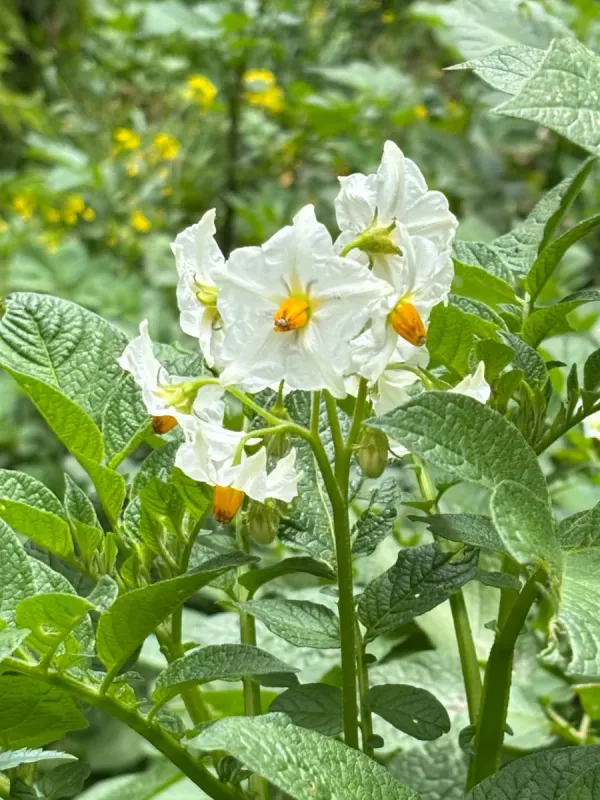
Description
Sowing dates
Potato (Solanum tuberosum L. subsp. andigenum) is a major global crop originating from the Andean highlands. This subspecies is known for its adaptation to specific day-length conditions.
The planting time is dictated by soil temperature. Farmers typically start planting when the soil depth reaches at least +7°C to +10°C, ensuring rapid sprouting.
In most temperate regions, planting occurs in mid-spring. Proper seed preparation, including pre-sprouting or chitting, is vital to ensure robust early growth and uniform stands.
Spacings are carefully calculated based on the variety's growth habits. Optimal density is key to balancing the individual plant’s access to sunlight and soil nutrients.
Careful selection of high-quality seed potatoes is the first step in successful management, as the plant is susceptible to various seed-borne diseases.
Growing requirements
Potatoes thrive in well-aerated, loose, sandy loam soils with a slightly acidic pH. Compaction is the enemy of root development and tuber expansion, leading to deformed yields.
Consistent moisture is required throughout the growing season, particularly during tuber initiation and swelling phases. Irrigation must be managed to avoid soil saturation.
Sunlight exposure is crucial for the development of photosynthetic tissue. High planting density must be balanced with plant architecture to ensure optimal light interception.
Nutrient requirements are heavy, especially for potassium and phosphorus. These minerals are essential for starch accumulation and overall plant hardiness against environmental stress.
Temperature management is critical; the plant prefers cool to moderate climates. Extreme heat above +25°C can stress the plant and inhibit the formation of tubers.
Yield
Average commercial yields vary greatly, generally ranging from 30 to 60 tonnes per hectare. High-input agriculture with irrigation can push these numbers even higher.
Yield is strongly correlated with the health of the plant canopy. Maintaining a green, disease-free leaf area for as long as possible is the goal of every professional agronomist.
Ridging and cultivation are essential tasks that serve multiple purposes: controlling weeds, improving soil aeration, and preventing greening of tubers due to light exposure.
Balanced fertilization programs, including micronutrients like magnesium and boron, significantly affect the storage quality and final starch content of the harvested crop.
Effective weed control during the first few weeks after emergence is non-negotiable, as young potato plants are poor competitors for space and soil moisture.
Main diseases and pests
Late blight remains the most destructive pathogen globally, requiring vigilant monitoring and integrated pest management strategies involving fungicides and resistant varieties.
The Colorado potato beetle is a primary insect threat. If left unmanaged, the larvae can defoliate entire fields, leading to total yield loss and decreased plant vigor.
Viral infections, often transmitted by aphid vectors, present long-term challenges for seed quality. Rotation is the primary defense to prevent soil-borne pathogen buildup.
Common scab and rhizoctonia can negatively impact the aesthetic quality of tubers. Maintaining a proper crop rotation cycle of at least 3 years is highly recommended.
- Late Blight (Phytophthora infestans)
- Colorado Potato Beetle (Leptinotarsa decemlineata)
- Wireworms
- Potato Cyst Nematode
Harvesting
The harvest should begin only after the vines have naturally senesced and the tuber skins have fully suberized, which is essential for long-term storability.
Desiccation of the vines using approved methods is common practice to facilitate easier mechanical harvest and ensure the tubers are well-conditioned before leaving the soil.
Mechanical handling must be gentle to minimize bruising. Injuries are entry points for bacteria and fungi, which can spread rapidly within a storage facility.
Post-harvest curing is a critical phase where tubers are stored in a ventilated environment to heal surface cuts and manage moisture levels before long-term storage.
Optimal storage conditions involve low temperatures (+2°C to +4°C) and high humidity, while strictly excluding light to prevent the accumulation of toxic glycoalkaloids.