
Smooth bluegrass
Poa laevis
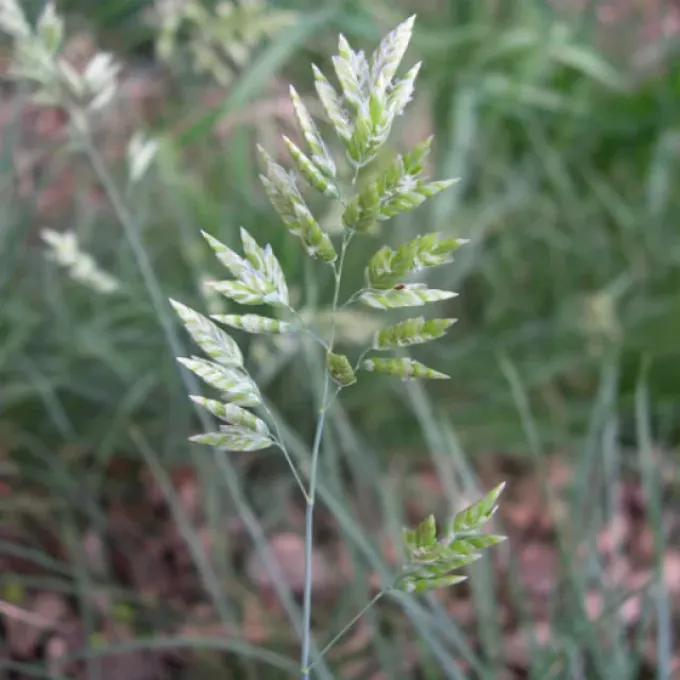
Description
Growing requirements
Smooth bluegrass (Poa laevis) is a hardy perennial grass species belonging to the Poaceae family. It is recognized for its significant role in agricultural systems as a reliable and productive forage crop suitable for varied climates.
The plant exhibits a bunch-type growth habit, characterized by a robust root system that helps it survive in diverse soil profiles. It is highly valued for its ability to maintain stand density under moderate grazing and frequent mowing pressures.
Regarding edaphic requirements, Poa laevis thrives in well-drained loamy soils but shows an impressive tolerance for a range of soil types. It performs best when soil pH levels are maintained in the neutral to slightly acidic range.
The crop is highly adapted to temperate climates, exhibiting excellent winter hardiness. While it prefers sunny environments, it can tolerate partial shade, making it a versatile component for mixed-species pasture restoration projects.
Agricultural use of smooth bluegrass is primarily focused on livestock grazing and hay production. It is prized for its high regrowth rate and nutritional content, which remain stable throughout the active growing season under proper management.
Main diseases and pests
The primary fungal threats to this crop include various rust species, which can thrive in humid conditions and significantly reduce the photosynthetic area of the leaves, directly impacting overall biomass yield.
Powdery mildew represents another common challenge, particularly in stands that are overly dense or lack adequate airflow. This condition can diminish the palatability of the grass for grazing livestock.
Insect pests such as cereal leaf beetles and various aphid species are known to cause damage, especially during the seedling stage. These pests can cause chlorosis and stunt the growth of young plants if left unmanaged.
Root-feeding larvae can also affect stand longevity by damaging the subterranean structures, which may lead to patches of thinning vegetation in established fields during periods of environmental stress.
Effective management includes regular field inspections, balanced fertilization to promote rapid growth, and ensuring proper spatial density to minimize the microclimatic conditions favorable to disease development.