
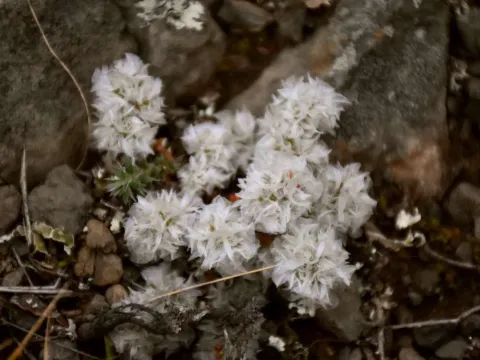
Snow nailwort
Paronychia nivea
Sowing of Paronychia nivea seeds is typically performed in early spring to allow for natural germination cycles in temperate climates.
What the section contains
Snow nailwort
Cold stratification is highly recommended to break seed dormancy and ensure a more uniform emergence of seedlings during the growing season.
Seeds should be sown on the surface of the growing medium, as they require light to germinate effectively and should not be buried deep.
For container-grown starts, use a mix of sand and peat to provide the perfect balance of moisture and aeration for young plants.
Spacing should be managed to ensure adequate ventilation between individual plants, which is crucial for preventing fungal issues during early development.
Snow nailwort is a charming perennial member of the Caryophyllaceae family, well-known for its mat-forming growth habit and silvery appearance.
The plant thrives in gritty, well-draining soil types and is perfectly adapted to the harsh conditions found in rock gardens and crevices.
Full sun exposure is essential for maintaining the characteristic dense, compact structure of the plant and for encouraging optimal flowering.
This species is exceptionally drought-tolerant once established and requires very little supplemental water, making it a low-maintenance landscape option.
Minimal fertilization is required; in fact, over-fertilizing can lead to weak growth and loss of the plant's natural, compact aesthetic.
The primary concern for Paronychia nivea is root rot, which is almost always the result of stagnant water or poorly draining soil conditions.
Poor air circulation around the base of the plant can predispose it to fungal blight, especially in areas with high humidity levels.
During periods of extreme moisture, slugs and snails may graze on the foliage, necessitating protective measures in the garden.
Persistent weeds can quickly outcompete the slow-growing nailwort, so keeping the area clear is vital for the plant's health and appearance.
Proper site preparation, including deep drainage layers, remains the most effective strategy for mitigating these potential threats.