
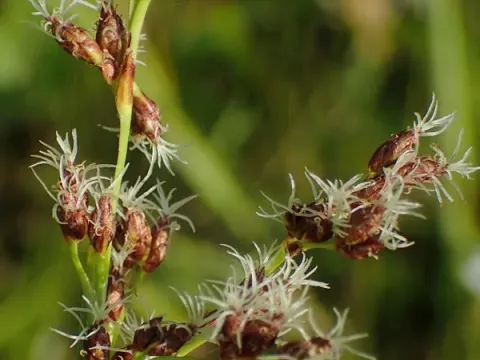
Softstem bulrush
Scirpus validus
Planting Softstem bulrush (Scirpus validus) is most successful in early spring or autumn. Propagation is typically achieved through rhizome division or by planting nursery-raised seedlings into the wetland substrate.
What the section contains
Softstem bulrush
For industrial cultivation, using container-grown seedlings is recommended to ensure higher survival rates and uniform stand establishment. Seedlings should be spaced to allow for optimal canopy development.
Rhizomes should be planted at a depth of 15 to 30 centimeters. Ensuring the substrate remains saturated during the initial rooting phase is critical for the plants to establish a strong root system.
If sowing seeds, they require a cold stratification period to break dormancy. Seeds should be sown in shallow water or moist soil with temperatures maintained between 15 and 20 degrees Celsius.
Once established, the plant spreads rapidly via horizontal rhizomes. Regular monitoring of the growth pattern is necessary to prevent the plant from becoming overly invasive if the cultivation area is not contained.
Softstem bulrush belongs to the Cyperaceae family and is a perennial emergent aquatic plant. It naturally thrives in diverse wetland environments, including the edges of lakes, ponds, and slow-moving streams.
The plant requires consistently moist to saturated soil conditions. It is highly tolerant of various water depths, ranging from a few centimeters to over one meter, provided the water is not stagnant.
Full sun is essential for maximum biomass production and structural integrity of the stems. Shaded environments often result in weak, thin stalks that are prone to lodging under wind pressure.
Soil composition should ideally be rich in organic matter, such as silt or clay. The plant is adaptable to a wide pH range, making it suitable for various regional water qualities.
It is cold-hardy and can withstand freezing temperatures as long as the rhizomes are protected by water or a layer of mulch. The primary growing season aligns with the warmer months of the year.
Softstem bulrush is recognized for its high annual biomass yield. This rapid growth rate makes it an excellent candidate for various bio-based applications, including construction materials and fiber production.
A significant utility of this culture is phytoremediation. Its extensive root system acts as a natural biological filter, effectively sequestering excess nitrogen and phosphorus from wastewater.
Sustainable harvesting of the biomass promotes ongoing growth and maintains the health of the plant colony. Regular cutting prevents the accumulation of old, decaying organic matter within the water body.
The harvested material can be used for thatch, mats, and baskets, or processed into compost. This circular use of resources enhances the ecological footprint of the agricultural operation.
Optimal yield is dependent on the nutrient availability in the water. In managed wetlands, controlled nutrient input can significantly boost the production of stalks per unit area.
While generally hardy, the plant can be susceptible to fungal infections if air circulation is poor, particularly in extremely dense stands. Ensuring proper spacing helps mitigate these risks.
Certain aquatic insects may bore into the stems, which can compromise the structural quality of the biomass. Early detection through regular field inspections is the best management strategy.
Invasive weed species can outcompete young bulrush stands for nutrients and sunlight. Keeping the initial planting area clear of competitive vegetation is vital for the first season of growth.
Extreme chemical toxicity in the water can inhibit the plant’s physiological functions. While it is a good remediator, concentrations of heavy metals must be kept within safe biological limits.
Implementing a balanced management plan, which includes monitoring water chemistry and physical plant health, is essential to sustain long-term cultivation viability.
Harvesting is typically performed in late autumn or winter, once the stems have matured, turned brown, and reached their maximum dry-matter content. This timing eases logistics and handling.
Specialized low-impact harvesting machinery or manual tools are used to cut the stems. Because the terrain is often wet, equipment should be selected to minimize soil disturbance and compaction.
After harvest, the stalks must be bundled and stored in a well-ventilated, covered area to dry thoroughly. Proper drying is crucial to prevent the growth of mold and maintain fiber quality.
When used for water purification, the biomass must be removed from the site to prevent the re-release of absorbed pollutants back into the aquatic environment through decomposition.
Stored properly, the harvested bulrush stalks are durable and can be kept for extended periods, remaining useful for decorative or structural applications in the years following harvest.