
Solanum goniocalyx
Solanum goniocalyx
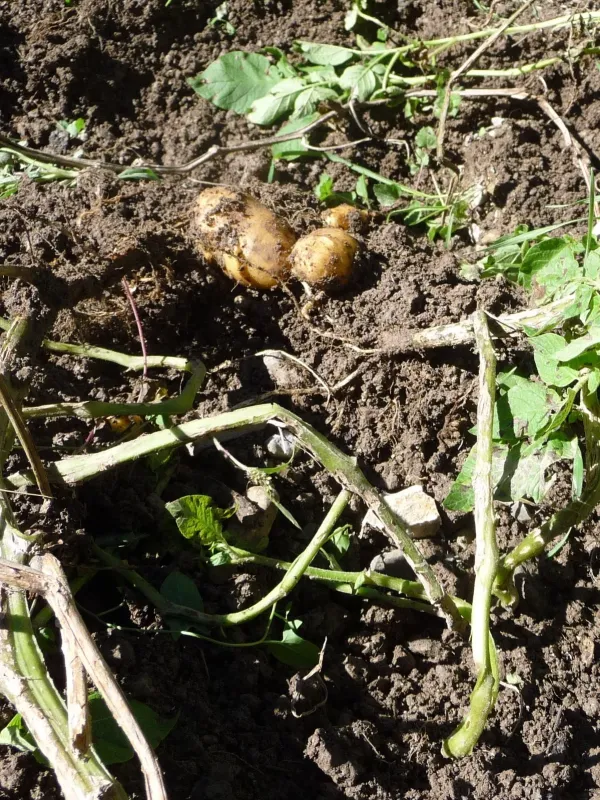
Description
Growing requirements
Solanum goniocalyx is a distinctive species belonging to the Solanaceae family, recognized as a specialized type of Andean potato. It is botanically related to the common potato but possesses unique genetic adaptations to high-altitude ecosystems.
The plant originates from the mountainous regions of the Andes, primarily within Bolivia and Peru. It is traditionally cultivated in highland environments where it has evolved to thrive in cool, thin-air conditions with significant diurnal temperature fluctuations.
Successful cultivation requires well-drained, porous soils that prevent waterlogging, which the crop is highly sensitive to. Optimal soil structure is essential for tuber development and the maintenance of root health throughout the growing season.
Climate requirements include moderate daylight lengths and temperatures that do not reach extreme highs. In its native range, the plant takes advantage of the specific microclimates provided by high mountain valleys and slopes.
The agronomic practices involve diligent hilling techniques, which are crucial for increasing yield and protecting the developing tubers from environmental exposure and pests near the soil surface.
Main diseases and pests
The crop is vulnerable to typical potato pests, including the Colorado potato beetle and potato tuber moth, which can lead to significant foliage loss and damage to the harvest if left unmanaged.
Fungal diseases, especially late blight, pose a severe threat in humid conditions. Integrated pest management strategies, including the use of resistant varieties and fungicide applications, are necessary for crop security.
Soil-borne pathogens like nematodes and wireworms are persistent challenges for Solanum goniocalyx. Implementing long-term crop rotation and soil sterilization techniques can help mitigate these risks effectively.
Viral pathogens represent a significant risk of crop degeneration. Maintaining strict phytosanitary standards during cultivation and ensuring the use of certified seed stock are vital for long-term productivity.
Proactive monitoring of fields is required to detect early signs of infestation or infection, allowing for targeted and efficient management of potential threats to the harvest yield.