
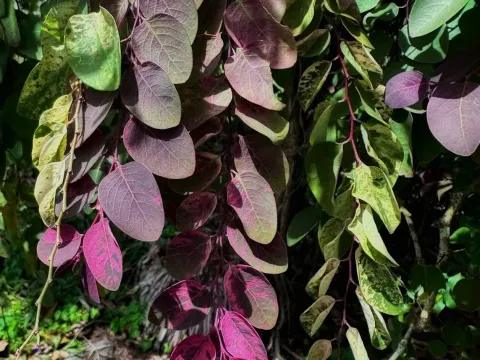
Snowbush
Breynia nivosa
Snowbush (Breynia nivosa) is an ornamental perennial shrub belonging to the Phyllanthaceae family. Originally native to the tropical islands of the Pacific, it is widely valued for its variegated foliage, which often displays white, green, and pink hues.
What the section contains
Snowbush
The plant requires bright, indirect light to maintain its variegated patterns. Insufficient light exposure often causes the leaves to revert to a solid green color, significantly reducing the aesthetic appeal of the specimen. Harsh direct sun should be avoided to prevent leaf scorch.
Temperature requirements are strictly tropical, favoring a range between 20°C and 25°C. Snowbush is highly sensitive to cold drafts and sudden temperature drops, which can cause significant leaf drop and stress the plant, hindering its growth cycles.
A well-draining, nutrient-rich soil mix is essential for healthy development. A blend of peat, loam, and coarse perlite works best, ensuring the medium stays moist but never waterlogged. Acidic to neutral soil pH is preferred for optimal nutrient uptake.
Watering must be consistent, keeping the soil evenly moist throughout the growing season. High humidity is crucial for this species; therefore, regular misting or the use of a humidifier is recommended, especially in indoor environments where air tends to be dry.
Spider mites are the most common pest affecting Snowbush, particularly in low-humidity conditions. These mites thrive in dry environments and can quickly infest the foliage, causing stippling and yellowing before the leaves eventually drop off the stems.
Mealybugs are another frequent threat, often found in leaf axils and along the stems. Regular inspection and the use of insecticidal soaps or systemic treatments are necessary to control these infestations before they become overwhelming for the plant.
Root rot is the primary disease concern, usually caused by overwatering or poor drainage. To prevent this, ensure that the pot has adequate drainage holes and that the plant is never allowed to sit in stagnant water for an extended period.
Powdery mildew may develop if there is insufficient airflow around the plant. Improving ventilation and maintaining a clean growing area are vital preventative measures against fungal pathogens that could otherwise compromise the health of the foliage.
Effective management requires a combination of good cultural practices, such as proper spacing and hygiene, alongside early intervention at the first sign of pests. Monitoring should be performed at least once a week to ensure early detection.