
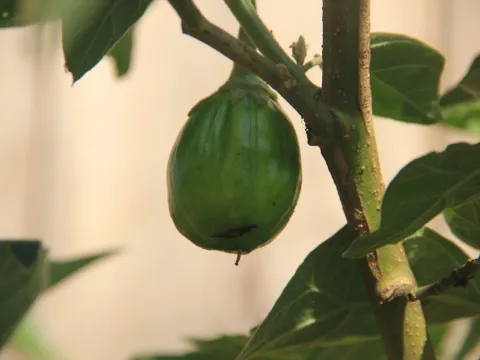
Solanum gilo
Solanum gilo
Solanum gilo, commonly known as the garden egg or African eggplant, is a warm-season crop that requires careful timing for seedling production. Seeds are typically started indoors 8 to 10 weeks before the last frost date.
What the section contains
Solanum gilo
For successful germination, maintain a soil temperature between 25 and 28 degrees Celsius. The seeds should be sown in a sterile, well-draining potting mix at a depth of about 1 centimeter.
Once true leaves appear, seedlings should be pricked out into individual pots to encourage strong root development. Providing sufficient light is crucial during this stage to prevent leggy growth.
Hardening off is a mandatory process for Solanum gilo. Gradually exposing plants to outdoor conditions over a week helps them adapt to wind and direct sunlight before final planting.
Transplanting into the garden should only occur when the threat of frost is entirely gone and soil temperatures are consistently above 15 degrees Celsius.
As a member of the Solanaceae family, Solanum gilo thrives in full sun. It requires at least 6 to 8 hours of direct sunlight daily to produce a bountiful harvest.
The soil must be fertile, rich in organic matter, and well-drained. Sandy loam soils are ideal, as they allow roots to penetrate easily while preventing water stagnation.
Irrigation should be consistent throughout the growing season. While the crop requires regular moisture, waterlogged soil can lead to root diseases and stunted plant development.
Application of a balanced fertilizer at the start of the season, followed by potassium-rich supplements during flowering, will significantly improve fruit quality.
Maintaining a pH level between 6.0 and 6.8 is recommended to ensure optimal nutrient uptake from the soil for the healthy development of the plant.
Solanum gilo is highly productive when properly managed. Each plant can yield dozens of fruits if provided with adequate spacing and nutritional support.
The fruits are botanically classified as berries and change color from green to orange or red as they reach physiological maturity. Harvest timing depends on culinary preferences.
Pruning is essential for high yields. Removing lower suckers and excessive foliage helps improve airflow, which in turn reduces the risk of fungal infections.
Regular harvesting encourages the plant to continue flowering and setting new fruits throughout the summer and early autumn months.
Productivity is also linked to planting density; spacing plants approximately 50 to 60 centimeters apart ensures enough resources for each individual plant to reach full potential.
Common pests include aphids, spider mites, and the Colorado potato beetle. Integrated pest management, including the use of neem oil or biological controls, is highly effective.
Diseases such as late blight and verticillium wilt are frequent threats in humid environments. Prevention through crop rotation is the most effective management strategy.
Avoid planting Solanum gilo in areas where other solanaceous crops like peppers or tomatoes were grown in the previous two years to break the disease cycle.
Mulching the soil around the plants helps prevent soil-borne pathogens from splashing onto the lower leaves during heavy rainfall.
In case of severe infestation, affected plants should be culled and disposed of away from the main garden to protect the remaining crop.
Harvesting usually begins when fruits reach the desired size, which often happens 70 to 90 days after transplanting, depending on the specific cultivar.
Fruits should be harvested using sharp shears to cut the stem, ensuring the main plant structure remains undamaged during the process.
Garden eggs are best consumed fresh as they have a relatively short shelf life. If storage is required, they should be kept in a cool, well-ventilated location.
Over-mature fruits may develop a bitter flavor and harder seeds, making them less desirable for culinary use. Frequent inspection of the garden is key.
Clean up all plant debris at the end of the harvest season to prevent pests and diseases from overwintering in the garden soil.