
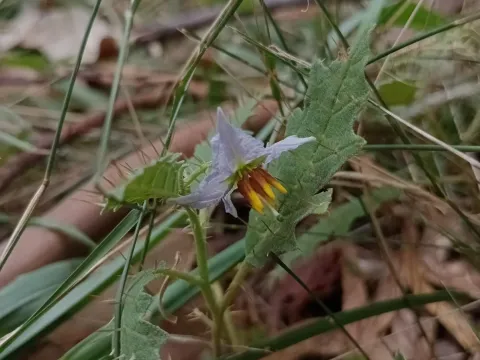
Solanum meloncillo
Solanum meloncillo
Sowing seeds of this crop in its natural habitat usually occurs at the onset of the rainy season, which ensures optimal humidity for germination.
What the section contains
Solanum meloncillo
Under controlled greenhouse conditions, seeds often require stratification to break dormancy, as many wild Solanaceae species possess innate biological clocks.
Seeds should be sown at a depth of no more than 1 to 1.5 centimeters to ensure adequate access to light and thermal energy during the initial sprouting phase.
The optimal germination temperature ranges between +22 and +25 degrees Celsius, while temperatures below +18 degrees significantly slow down development.
For high-quality seedling production, it is recommended to use light, well-draining substrates enriched with peat and perlite to support healthy root development.
Solanum meloncillo belongs to the Solanaceae family and shares common physiological needs with other cultivated members of this botanical group.
The plant thrives in sunny, well-warmed locations sheltered from strong winds, as young stems may be brittle and prone to breakage under stress.
Regarding soil, the crop prefers loam or sandy loam types with a neutral to slightly acidic pH and high levels of organic matter or humus.
Consistent irrigation is vital for success; however, waterlogging the root zone must be avoided as it frequently leads to root rot and other pathogenic issues.
During the active vegetative stage, the plant responds positively to balanced mineral fertilizers, especially during the crucial budding and fruit-setting phases.
Common pests affecting this crop include various species of aphids, which colonize young foliage and shoots, feeding on the plant's essential sap.
Spider mites pose a significant threat in arid conditions or low-humidity greenhouse environments, leading to leaf yellowing and premature defoliation.
Among fungal diseases, late blight is the most dangerous, commonly affecting many Solanaceae species during periods of prolonged wet and cool weather.
Powdery mildew may infect plants subjected to extreme fluctuations between night and day temperatures, requiring prophylactic treatment with biofungicides.
The Colorado potato beetle, despite the exotic nature of the plant, may also find the foliage attractive, necessitating regular population monitoring.
Harvesting is typically performed as the fruits reach full biological maturity, indicated by the development of characteristic color and soft texture.
It is essential to handle fruits carefully during harvest, separating them cleanly from the peduncle to prevent skin damage and extend shelf life.
Immature fruits gathered before the first frost can often continue ripening in a cool, dry storage environment if handled with proper care.
Post-harvest handling is critical, as the fruits are susceptible to bruising and mechanical damage during transportation and prolonged storage.
Primary culinary uses include fresh consumption, integration into sauces or jams, and serving as a unique ingredient in various gastronomic salads.