
Nicotiana wigandioides
Nicotiana wigandioides
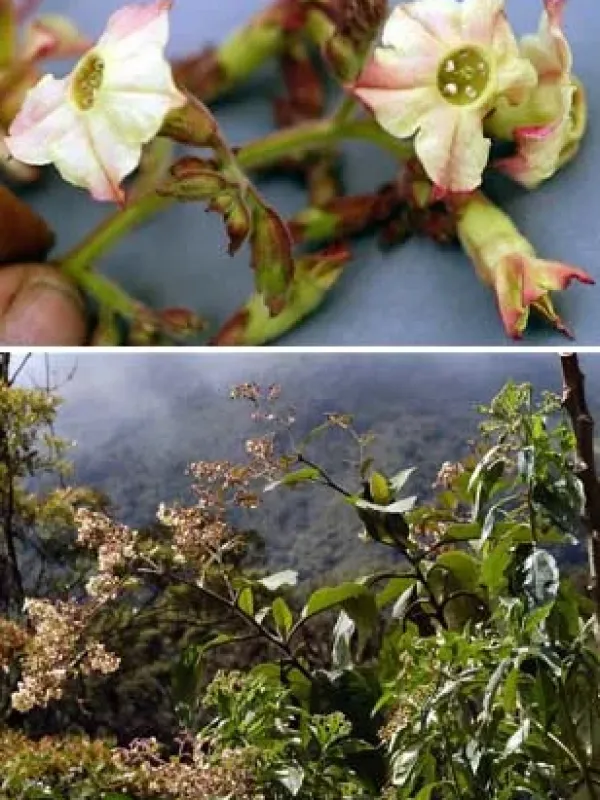
Description
Sowing dates
Nicotiana wigandioides seeds are extremely small, necessitating surface sowing on a fine, moist growing medium. Germination is best achieved in a greenhouse environment during the late winter or early spring months.
A consistent temperature ranging from 20 to 25 degrees Celsius is required for successful germination. It is crucial to maintain high humidity around the seeds without waterlogging the soil to prevent damping-off disease.
Once the seedlings develop two true leaves, they should be carefully pricked out into individual pots. This practice encourages stronger root development and prepares the young plants for future transplanting.
Hardening off the seedlings is an essential process to acclimate the plants to external environmental conditions. Gradually expose them to outdoor temperatures over a period of two weeks before final planting.
Transplanting into the permanent outdoor location should only occur once all danger of frost has completely passed. Choose a location with deep, fertile soil to ensure optimal initial development of the crop.
Growing requirements
As a member of the Solanaceae family, Nicotiana wigandioides originates from the high-altitude regions of Peru. It thrives in locations that receive plenty of sunlight but appreciate some protection from intense afternoon heat.
The plant requires well-drained, nutrient-rich soil to reach its full potential. Heavy, water-retaining soils can be detrimental, leading to root asphyxiation and eventual plant decline during the growing season.
Botanically, this species is known for its large, velvety leaves and long-lasting inflorescences. In ideal conditions, it acts as a robust perennial shrub, potentially growing several meters in height.
Regular fertilization with nitrogen-based nutrients is recommended during the vegetative growth phase. Consistent watering is necessary, especially during the dry summer months to maintain leaf turgidity.
Given its size, providing support against high winds is often necessary to prevent stem breakage. Proper spacing between individual plants is also critical to ensure adequate air circulation and prevent fungal growth.
Main diseases and pests
Aphids are the primary insect pests affecting Nicotiana wigandioides, often clustering on the undersides of leaves. Early detection and the use of insecticidal soap can effectively manage these infestations.
Spider mites can become problematic during hot, dry periods, leading to yellowing and premature leaf drop. Increasing ambient humidity or using appropriate miticides are standard control measures.
Powdery mildew may occur if the plants are crowded or if air circulation is insufficient. To minimize this risk, ensure proper spacing and avoid overhead watering that keeps foliage wet for too long.
Viral diseases, including tobacco mosaic virus, represent a significant threat and can be transmitted by mechanical handling or sap-sucking insects. Infected plants should be removed and destroyed to protect others.
Root rot is typically caused by overwatering or poorly drained soil conditions. Maintaining a proper watering schedule and incorporating grit or sand into the soil can significantly mitigate this risk.
Harvesting
Nicotiana wigandioides is primarily utilized for its ornamental value or in botanical research. Harvesting leaves is performed during the peak of the growing season when they reach full maturity and size.
Protective gear, specifically gloves, should always be worn during harvesting. The sap contains alkaloids that can cause skin irritation or allergic reactions in sensitive individuals handling the plants.
Post-harvest, leaves must be dried in a well-ventilated area away from direct sunlight. Slow drying helps preserve the integrity of the plant tissues and prevents mold development during the process.
Seed collection involves waiting for the seed pods to turn brown and dry out naturally. After harvesting, seeds should be cleaned, labeled, and stored in a cool, dark environment until the next planting cycle.
Any use of the harvested material must strictly adhere to safety standards regarding toxic alkaloid exposure. Proper documentation of handling procedures is recommended for research applications.