
Jerusalem cherry
Solanum pseudocapsicum L.
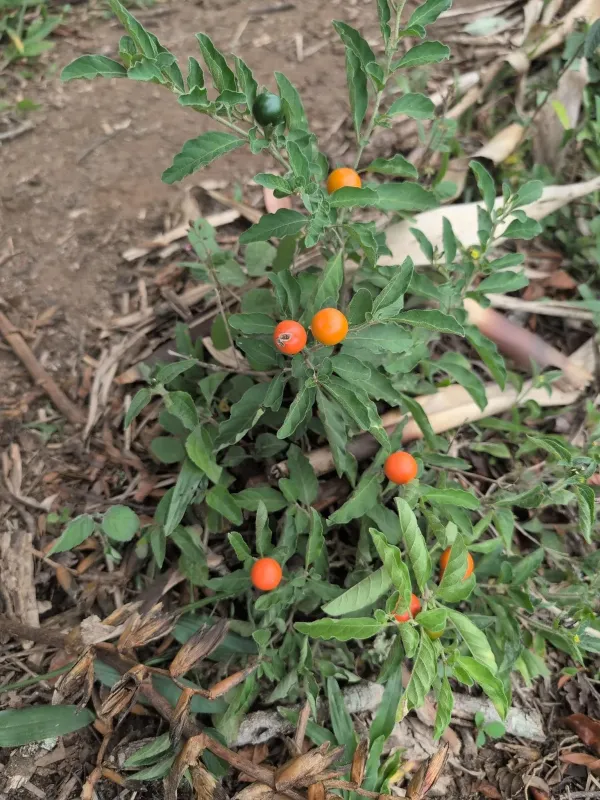
Description
Growing requirements
Jerusalem cherry (Solanum pseudocapsicum L.) is an evergreen shrub belonging to the Solanaceae family. Originally native to South America, it has become a popular ornamental species grown for its decorative, berry-like fruit.
The plant thrives in bright, indirect light conditions. While it is generally tolerant of indoor environments, it requires a temperature range of 18–22°C during its growing season to maintain healthy foliage and fruit production.
Soil requirements dictate a well-draining, nutrient-rich potting mix. Proper drainage is essential to prevent waterlogging, which the plant is highly sensitive to. Consistent soil moisture should be maintained without allowing the roots to sit in standing water.
Cultural practices involve annual pruning to maintain a compact shrub shape and encourage denser growth. Regular fertilization with balanced NPK fertilizers is recommended during the flowering and fruiting stages to support the plant's metabolic demands.
Although it is primarily used as an ornamental, one must note that the plant is sensitive to low temperatures. It does not tolerate frost and is best cultivated in climate-controlled environments or as an indoor potted plant.
Main diseases and pests
Like other members of the nightshade family, Jerusalem cherry is susceptible to several fungal and viral pathogens. Alternaria leaf spot and anthracnose are common, often appearing as necrotic lesions on leaves and stems under high humidity.
Verticillium wilt and Rhizoctonia root rot pose significant threats, particularly when growing conditions involve poor aeration or contaminated soil. These pathogens attack the root system, causing the plant to wither and eventually collapse.
Viral infections such as Tomato mosaic virus and Tobacco mosaic virus represent severe risks. These pathogens disrupt normal plant metabolism and cause characteristic mosaic patterns on the leaves, severely affecting the plant's ornamental value.
Gray mold (Botrytis cinerea) is a frequent issue in greenhouse environments with stagnant air. It thrives on moist surfaces, causing the fruit and flowers to rot and become covered in fuzzy fungal mycelium.
Pest management is crucial as insects like aphids, spider mites, and whiteflies often act as vectors for viruses. Regular inspections and the application of appropriate systemic pesticides are necessary to prevent infestations and systemic disease spread.