
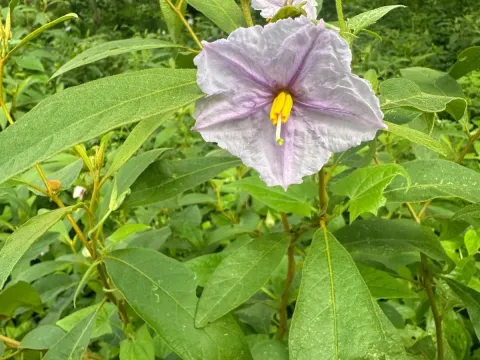
Solanum bojeri
Solanum bojeri
Solanum bojeri is a perennial plant species belonging to the Solanaceae family. As a relative of widely cultivated crops like potatoes and peppers, it shares many biological traits typical of this diverse family, including its structure and nutritional needs.
What the section contains
Solanum bojeri
Originating from tropical regions, this plant is well-adapted to warm, humid climates. It does not tolerate frost, requiring protected growing environments like greenhouses in temperate climates to ensure continuous and healthy development.
The cultivation of Solanum bojeri demands well-drained, fertile soil with a slightly acidic to neutral pH. Proper soil aeration is critical, as the root system is sensitive to waterlogging and poor oxygen circulation, which can quickly lead to root rot.
Agricultural management includes precise irrigation schedules and the application of balanced fertilizers. Maintaining an optimal temperature range of 20°C to 28°C promotes vigorous vegetative growth and enhances the plant's resistance to environmental stress.
In practice, the plant is primarily utilized for botanical research and as a decorative species. Its genetic characteristics make it a subject of interest for cross-breeding programs aiming to improve the robustness of other commercial Solanaceae crops.
Solanum bojeri is susceptible to the same pests that plague common solanaceous crops, with the Colorado potato beetle being a primary threat to leaf integrity during the active growing season.
Indoor cultivation environments often face infestations of spider mites and whiteflies, which thrive in stagnant, warm air. Regular monitoring and the maintenance of adequate ventilation are essential to control these populations.
Fungal diseases, including late blight and various leaf spots, are significant threats during periods of high humidity. Preventive measures include applying copper-based fungicides and ensuring proper spacing between individual plants.
Soil-borne pathogens can be mitigated through the use of sterilized potting mixes and the practice of strict crop rotation if growing the species in a larger agricultural setting.
Integrated Pest Management (IPM) strategies, combining biological controls and targeted chemical treatments, are recommended to maintain plant health while minimizing ecological impact.