
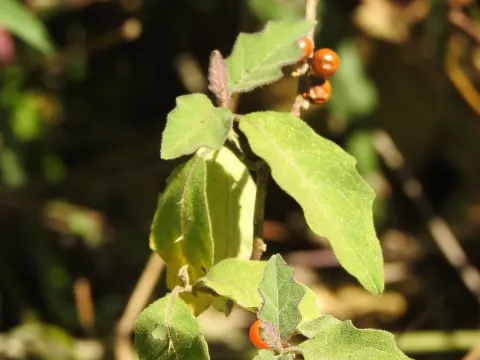
Solanum hermannii
Solanum hermannii
The propagation of Solanum hermannii is typically conducted in controlled greenhouse conditions, where constant temperatures can be maintained to ensure high germination rates.
What the section contains
Solanum hermannii
Sowing should ideally take place in early spring, utilizing high-quality, well-draining seed-starting mixes to provide the necessary support for developing root systems.
Seeds of this species may exhibit a period of dormancy, necessitating stratification or specific pre-treatment techniques to trigger uniform sprouting across the tray.
Once seedlings have established sufficient foliage, they are hardened off before being transplanted into their final growing locations during stable, warm weather conditions.
Planting spacing is critical; ensuring adequate distance between individual plants helps promote airflow, which is essential for preventing the buildup of humidity and pathogens.
Solanum hermannii thrives in full sunlight, requiring at least six to eight hours of direct exposure daily to maintain healthy growth and optimal fruit production cycles.
The soil should be fertile, loose, and possess excellent drainage characteristics, as this plant is highly sensitive to waterlogged conditions that can cause root rot.
Moderate irrigation is recommended, particularly during the flowering and fruit-setting stages, ensuring that the soil remains moist but never overly saturated with water.
Temperature management is vital; the plant performs best in warm environments and must be protected from frost, which can cause severe damage or death to the plant tissue.
Regular fertilization with balanced nutrients helps sustain the plant throughout the growing season, especially when cultivated in containers or pots where nutrients deplete quickly.
Common pests such as aphids and spider mites frequently target Solanum hermannii, particularly when the plants are cultivated in dry, enclosed environments without adequate airflow.
Fungal diseases like late blight represent a major threat, often occurring under cool, damp conditions or when water remains on the leaves for extended periods of time.
Powdery mildew may develop as a white, dusty layer on leaves, which can be mitigated through proper spacing and, if necessary, the application of organic fungicidal treatments.
Root rot, driven by over-irrigation or poor soil quality, remains the most frequent cause of plant failure, requiring growers to monitor moisture levels consistently.
Integrated pest management strategies are suggested, including the manual removal of affected leaves and the use of targeted biological controls to minimize chemical interventions.
Harvesting should be timed to coincide with the physiological maturity of the fruit, typically marked by a vibrant color shift and a slight softening of the outer skin texture.
Due to the presence of sharp thorns often found on the stems and calyces, the use of thick protective gloves is strictly required during the harvesting process to ensure safety.
Fruits should be handled with care to avoid bruising, as any damage to the skin can lead to rapid decay when stored at room temperature for extended durations.
Post-harvest handling involves placing the fruits in a cool, dark, and well-ventilated area to allow them to cure slightly before processing or storage purposes.
Growers should monitor the plant regularly during the harvest season to collect fruits as they ripen, preventing them from falling to the ground and attracting unwanted pests.