
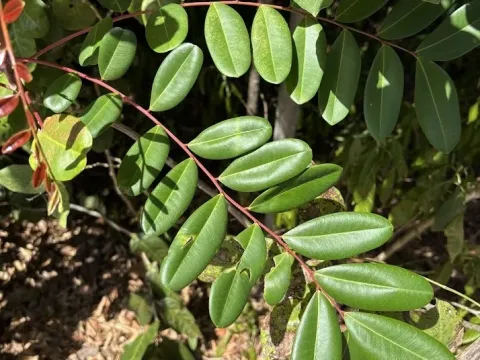
Paradise tree
Simarouba glauca
The paradise tree (Simarouba glauca) is an evergreen tree belonging to the Simaroubaceae family. It is widely recognized for its robust nature and its ability to thrive in harsh, tropical environmental conditions.
What the section contains
Paradise tree
This species is highly adaptable to various soil types, ranging from nutrient-poor sandy soils to rocky terrains. Its deep root system allows it to access groundwater even during extended periods of drought, making it a climate-resilient crop.
Optimal growth requires abundant sunlight and a well-drained substrate. The paradise tree does not tolerate waterlogging, which necessitates careful site selection in areas prone to heavy rainfall.
Standard agrotechnical practices involve spacing the trees at least 6 to 8 meters apart. This ensures that each tree has sufficient space for canopy development and sunlight penetration, which is vital for high productivity.
The tree is considered a low-maintenance species that can thrive with minimal fertilization, making it an excellent candidate for the reforestation of degraded tropical landscapes.
The primary agricultural output of the paradise tree is its seeds, which are prized for their high oil content, often exceeding 60%. This oil is utilized in the food industry as a vegetable fat and in the production of cosmetics and bio-soaps.
A single mature tree can produce a substantial yield, ranging from 15 to 30 kilograms of fruit annually. Harvesting typically involves gathering the purple-ripe fruits from the ground or plucking them directly from the branches.
Post-harvest processing includes the extraction of the kernels, followed by controlled drying. Proper moisture management is critical to prevent the growth of fungi during storage, ensuring the longevity of the oil quality.
Beyond its oil, the paradise tree is known for its pharmaceutical properties. The bark contains specific alkaloids used in traditional medicine for their antipyretic and digestive-stimulating effects.
The wood of the paradise tree is highly valued for its light weight and fine texture, providing a sustainable resource for furniture manufacturing and light construction.
While the paradise tree is naturally resistant to many pests due to the bitter compounds in its tissues, it is not entirely immune to disease. Root rot is a significant threat if the soil drainage is inadequate.
Foliar insects, such as aphids, can occasionally infest young saplings. Implementing integrated pest management strategies helps to keep these populations under control without damaging the ecological balance.
Regular sanitation of the plantation, including the removal of dead or dying limbs, is essential to minimize the spread of fungal pathogens that thrive in humid tropical environments.
Weed management is particularly important during the first two to three years after planting. During this period, the young trees require assistance to compete effectively for water and soil nutrients.
Monitoring the trees for nutrient deficiencies and signs of stress is recommended to maintain a healthy and productive plantation throughout its lifespan.