
Silene decipiens
Silene decipiens
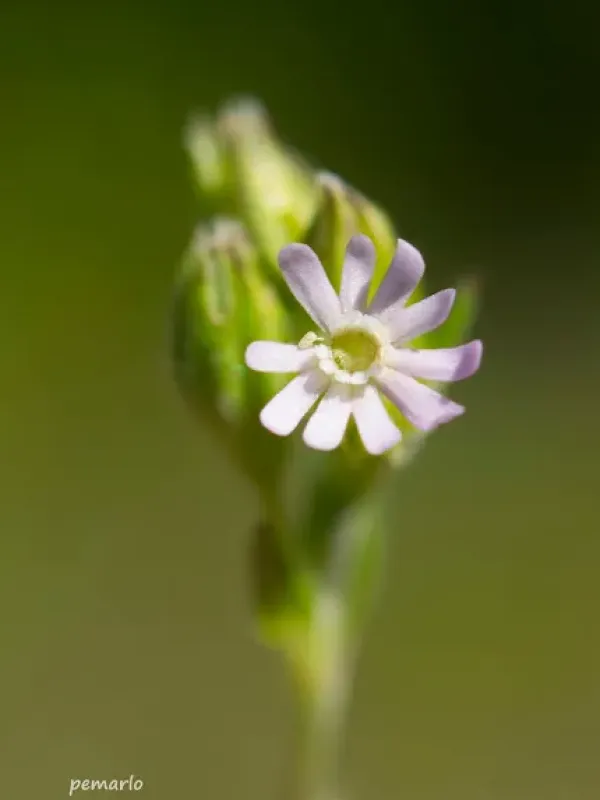
Description
Sowing dates
The sowing of Silene decipiens is typically performed in early spring once the soil temperature reaches approximately 10-12 degrees Celsius. It is crucial to seed during the optimal window to ensure that plants have sufficient moisture to establish strong root systems before the onset of summer heat.
Given the small size of the seeds, planting depth should be limited to 1-2 centimeters. Proper seedbed preparation, including firming the soil to ensure good seed-to-soil contact, is essential for achieving uniform and rapid emergence across the field.
For field-scale production, row spacing is generally set at 15-20 centimeters. This density allows for optimal competition against weeds while providing each plant with adequate space for nutrient uptake and atmospheric gas exchange.
In regions with mild winters, dormant seeding or autumn planting may be feasible. This approach allows the seeds to undergo natural stratification, leading to earlier spring development and more robust plant architecture compared to spring-sown crops.
When starting in trays for greenhouse production, seeds should be sown in late winter with supplemental lighting. This practice ensures high seedling vigor and helps achieve consistent plant heights for transplantation into open soil fields.
Growing requirements
Silene decipiens is a member of the Caryophyllaceae family, known for its resilience and adaptability across various agricultural environments. The crop thrives in full sunlight, which is necessary for vigorous vegetative growth and the development of high-quality biomass.
The ideal soil conditions for this plant are well-drained, sandy loams with a neutral pH level. It performs poorly in waterlogged soils, as excessive moisture leads to hypoxia in the root zone and increases susceptibility to opportunistic pathogens.
While the plant is relatively drought-tolerant once established, supplemental irrigation is recommended during critical growth stages to maximize yields. Managing soil moisture effectively prevents stress-induced bolting and keeps the plant in a vegetative state longer.
Nutrient management should be based on soil testing results. A balanced NPK fertilizer application during the early vegetative phase supports structural integrity and photosynthesis, while micronutrients may be added to correct specific soil deficiencies.
Proper field maintenance involves controlling invasive weeds, which compete with the crop for water and sunlight. Mechanical cultivation between rows is often the most cost-effective solution for large-scale operations to maintain weed-free conditions.
Main diseases and pests
Powdery mildew represents a significant threat to Silene decipiens, particularly during periods of high humidity and poor air circulation. Management focuses on maintaining optimal plant spacing and using fungicide applications when environmental conditions favor disease outbreaks.
Root rot, often caused by soil-borne pathogens, poses a risk in poorly drained fields. Crop rotation is the most effective cultural practice to reduce inoculum buildup in the soil, ensuring that the field remains suitable for cultivation over the long term.
Invertebrate pests, such as cutworms and armyworms, can cause substantial economic damage by consuming tender leaf tissues. Integrated pest management (IPM) strategies, including pheromone traps and biological controls, are recommended to maintain pest populations below economic injury levels.
Aphids can also colonize the growing points of the plants, causing stunting and potential transmission of viral pathogens. Regular scouting is essential to identify early infestations and prevent the spread throughout the entire production area.
Overall, maintaining plant health through proper nutrition and moisture management serves as the primary defense against most diseases and pests. A proactive approach to crop monitoring reduces the reliance on synthetic inputs and increases the sustainability of the harvest.