
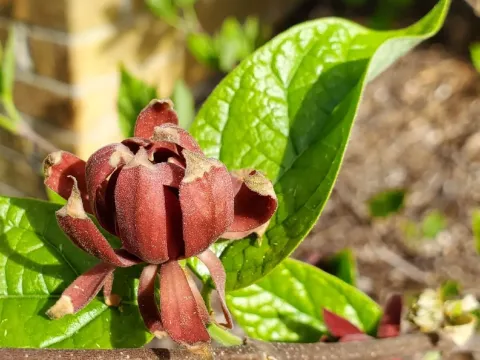
Sinocalycalycanthus
Sinocalycalycanthus
Sinocalycalycanthus is an ornamental shrub belonging to the Calycanthaceae family. Known for its exotic and fragrant flowers, it has become a unique addition to botanical collections and specialized gardens.
What the section contains
Sinocalycalycanthus
The genus originates from China, where it thrives in moist, temperate forest environments. Understanding its natural habitat is key to successful cultivation in temperate climatic zones.
The plant requires a well-drained, nutrient-rich soil with a neutral to slightly acidic pH. Incorporating organic matter such as compost or peat during planting significantly enhances root development.
Light exposure should be managed carefully. While the shrub prefers bright conditions, intense direct sunlight in the afternoon can scorch the foliage, so partial shade is generally recommended.
Consistent moisture is crucial for this plant. During hot and dry spells, supplemental irrigation is necessary to prevent wilting and to ensure the development of high-quality floral buds.
The most common health issues for Sinocalycalycanthus involve fungal pathogens. High humidity combined with poor airflow often leads to leaf spots, which can diminish the decorative value of the shrub.
Pest populations such as aphids and spider mites can become problematic during periods of stress. These pests primarily target soft tissue and new growth, potentially stunting the plant's overall vitality.
Regular maintenance, including the thinning of inner branches, improves ventilation and significantly reduces the risk of fungal infections. It is a proactive step in managing plant health.
In case of severe infestations, horticultural oils or appropriate insecticides should be utilized. Always follow the manufacturer's label to ensure safety for both the plant and the environment.
Integrated pest management strategies are recommended, focusing on maintaining strong, healthy plants that are naturally more resistant to environmental stressors and typical garden pests.