
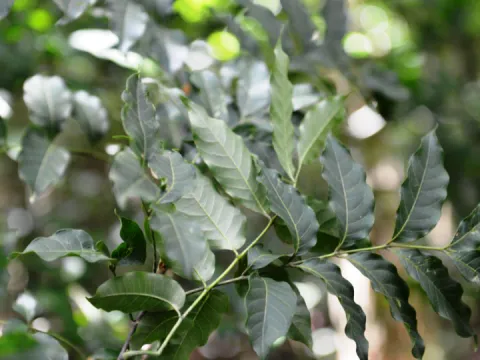
Picraena
Picraena
Picraena, specifically the species Picraena excelsa, is a member of the Simaroubaceae family. This tropical tree species is native to regions with warm climates and is known for its bitter properties, which are derived from its wood and bark.
What the section contains

Picraena
The crop thrives in a tropical climate characterized by constant warmth and high humidity. It requires consistent rainfall throughout the year to support its growth, making it unsuitable for regions with prolonged dry seasons or cold winters.
Cultivation requires fertile, well-drained soil. The plant is particularly sensitive to waterlogged conditions, which can lead to root rot. Therefore, selecting a site with proper drainage and rich organic content is a critical step in site preparation.
Agricultural management involves careful monitoring of sunlight levels. While mature trees are hardy, young saplings often require partial shading in their early years to protect them from excessive heat and direct radiation.
Industrially, the plant is primarily harvested for the production of quassia, a substance widely used in the beverage industry as a bittering agent and in the pharmaceutical sector for its medicinal properties.
The most significant threats to Picraena plantations are fungal pathogens that flourish in high-humidity environments. These fungi can cause severe stem cankers and root rot, which may jeopardize the entire harvest if not managed properly.
Wood-boring insects present a continuous challenge to the timber quality. These pests tunnel into the trunk, creating entry points for secondary infections and structurally weakening the trees.
Termite infestations are a major concern in many of the native regions where Picraena is grown. Preventive measures, such as soil management and biological control, are essential to minimize damage to the root systems.
Leaf spot diseases can occur during periods of unseasonable moisture, reducing the tree's overall vigor. Regular monitoring and the removal of infected plant debris are standard protocols for health maintenance.
Environmental stress, such as extreme weather events like hurricanes or sudden shifts in soil moisture, can leave the trees vulnerable to opportunist pests and diseases that might otherwise be kept at bay.