
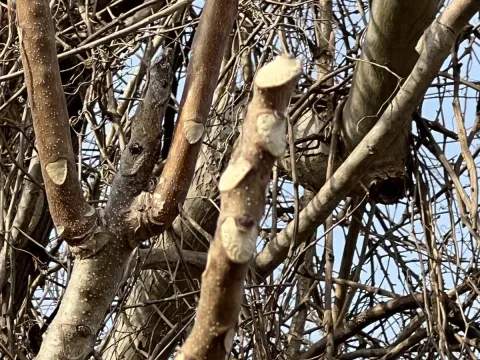
Ailanthus giraldii
Ailanthus giraldii
Ailanthus giraldii is a deciduous tree species belonging to the Simaroubaceae family. Unlike some of its more invasive relatives, this species is valued for its unique botanical features and is native to the mountainous regions of China, where it thrives in specific temperate climatic conditions.
What the section contains
Ailanthus giraldii
The tree requires well-drained, fertile soil to reach its full potential. It is sensitive to soil saturation, so selecting a location with natural drainage or creating elevated beds is essential for the long-term health of the root system and to prevent rot in young saplings.
Climate adaptability is a significant factor in cultivation. Ailanthus giraldii prefers regions with mild winters and consistent moisture during the growing season. While it is relatively hardy, providing protection from harsh, drying winds in the early years of growth can lead to straighter, more robust trunks.
Cultural practices involve minimal pruning to maintain the tree's natural shape, as well as maintaining a weed-free zone around the base. Nutrient management is simple, with occasional organic mulching providing necessary minerals and helping to retain soil moisture during peak summer heat.
Beyond its aesthetic appeal, Ailanthus giraldii holds potential in various forestry applications. Its wood quality and rapid growth under favorable conditions make it an interesting candidate for specialized silviculture, provided that environmental parameters are carefully managed to suit its ecological needs.
Fungal pathogens represent the most significant threat to Ailanthus giraldii, particularly when the tree is subjected to improper irrigation. Waterlogged soil significantly increases the risk of root pathogens, which can rapidly undermine the vigor of even mature and established specimens.
Leaf-eating insects can cause cosmetic and physiological damage if left unchecked. A regular monitoring program is advised during the spring and early summer months to catch any infestation before it reaches a level that could impact the tree's overall photosynthetic capacity.
Mechanical damage to the bark is a serious concern, as it invites wood-decay fungi to colonize the tree. Maintenance equipment, such as mowers or trimmers, should be used with extreme caution to ensure that the trunk remains completely free of wounds or structural compromises.
Vulnerability to environmental stress is often linked to soil nutrient imbalances. Ensuring that the tree receives sufficient potassium helps to harden the wood and improve resilience against winter frost, while a balanced fertilization plan supports overall plant health and metabolic function.
Sanitation practices are critical in any stand of Ailanthus giraldii. Removing fallen leaf litter and dead branches helps reduce the presence of overwintering pests and fungal spores, ultimately creating a cleaner environment that supports the tree's natural resistance mechanisms.