
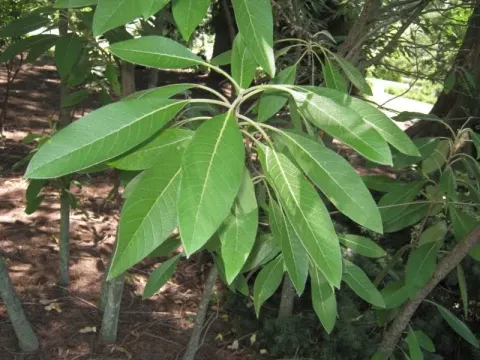
Leitneria floridana
Leitneria
Leitneria floridana, commonly known as corkwood, is the sole member of the Leitneriaceae family. It is a deciduous shrub or small tree that is botanically significant due to its evolutionary adaptation to wetland environments.
What the section contains

Leitneria floridana
The plant is native to the southeastern United States, primarily inhabiting coastal marshes and swamps. Its range is confined to regions where soil moisture is abundant year-round, which is crucial for its vigorous growth.
Cultivation requirements involve high soil moisture levels and consistent access to sunlight. While it can survive periodic flooding, it thrives best in nutrient-rich, damp soil types that mimic its natural swamp habitat.
The climate must be strictly subtropical or warm temperate to prevent frost damage. Leitneria does not possess high cold tolerance and requires a long growing season to reach structural maturity.
Economically, the species is valued exclusively for its wood, which holds the record as the lightest in the world. This property makes it historically significant for the manufacturing of net floats and light insulation boards.
Corkwood is naturally resilient within its native ecosystem, showing few major susceptibilities to pests. However, it can face decline if local hydrological conditions are disrupted by excessive drying or pollution.
Root rot represents a potential threat if the water drainage becomes stagnant or contaminated. Maintaining the biological balance of the marsh ecosystem is essential for long-term survival.
Pest threats include wood-boring insects, which typically target individuals stressed by environmental fluctuations. Keeping the plant population healthy is the best defense against such infestations.
Invasive plant species can quickly overtake young Leitneria stands, depriving them of necessary light. Proper site management and weeding are required to ensure the successful establishment of new plantings.
To maintain plantation health, it is recommended to monitor for signs of decay in the bark. Avoiding unnecessary injury to the trunk is vital, as internal rotting can compromise the quality of the lightweight wood.