
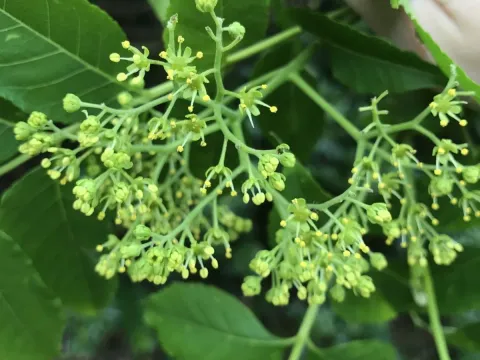
Picrasma
Picrasma
Picrasma is a genus of deciduous trees belonging to the Simaroubaceae family. Naturally distributed throughout tropical and subtropical regions of Asia and the Americas, these trees are recognized for their distinct botanical traits and bitter compounds found in their wood and bark.
What the section contains


Picrasma
Cultivation of Picrasma requires a stable, warm climate, as the species lacks cold hardiness. It thrives in regions where temperatures remain consistently above freezing throughout the year, making it well-suited for tropical and subtropical agro-climatic zones.
Soil requirements for this crop are specific: it prefers deep, fertile, and well-draining loamy soils. The presence of organic matter is beneficial for healthy development, while soil aeration is essential to prevent root asphyxiation during periods of high rainfall.
Regarding light exposure, Picrasma trees respond well to partial shade during their juvenile growth phase. As they mature, they can adapt to brighter conditions, provided that the soil moisture levels are managed carefully to compensate for increased evapotranspiration.
The primary economic value of Picrasma lies in its content of quassinoids. These bitter substances are extracted for pharmaceutical use and for the formulation of botanical insecticides, which provide a sustainable alternative for integrated pest management in modern agriculture.
The primary health threats to Picrasma are root and stem rots caused by various pathogenic fungi. These infections are usually triggered by poor drainage or excessive soil moisture, which compromises the root system integrity.
Stem-boring insects present a significant challenge for industrial plantations. These pests penetrate the bark and inner wood, creating tunnels that facilitate the entry of pathogens and can eventually lead to the structural failure of the tree.
Monitoring programs are essential to detect pest infestations early. Removing infected branches and maintaining proper spacing between trees are standard practices to ensure sufficient airflow and limit the spread of airborne or soil-borne diseases.
Chemical control measures must be chosen carefully to avoid residues that could affect the quality of the harvested biomass. Integrated pest management strategies, emphasizing biological controls, are preferred in the production of high-value medicinal plant materials.
Proper nutritional management also plays a role in plant health; specifically, providing optimal levels of nutrients helps improve the tree's physical defenses and its ability to recover from minor pest damage or environmental stress.