
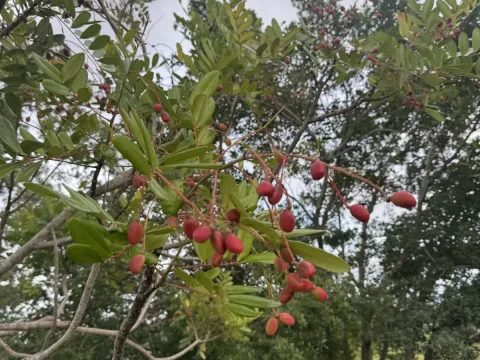
Simarouba
Simarouba
Simarouba (Simarouba amara), commonly known as the paradise tree, is a versatile species belonging to the Simaroubaceae family. This evergreen tree is native to the tropical regions of Central and South America, thriving in rainforest ecosystems.
What the section contains

Simarouba
The climate requirements for this culture include high temperatures and consistent moisture levels. It is strictly a tropical crop, as it lacks cold tolerance and requires year-round warmth for successful vegetative growth and fruit production.
In terms of soil, Simarouba prefers deep, well-drained loamy soils. It is notably resilient and can tolerate nutrient-poor soils, making it an excellent candidate for reforestation and land restoration projects in tropical agricultural zones.
Standard agronomic practices involve planting in open areas with adequate spacing to prevent resource competition. While young saplings require monitoring and protection from weed competition, mature trees are robust and require minimal intervention for long-term production.
The economic value of Simarouba is diverse: the seeds are rich in edible oils, the bark contains bioactive compounds with medicinal applications, and the timber is highly regarded in the construction and furniture industries for its resistance to pests.
The primary threats to Simarouba plantations are fungal root rot diseases, which typically develop in areas with inadequate soil drainage. Managing soil moisture and preventing waterlogging is crucial for maintaining tree health.
Pests, such as bark beetles and foliage-feeding insects, can occasionally cause damage to younger trees. Implementing integrated pest management strategies helps to mitigate these risks and ensures higher yields of seeds and wood production.