
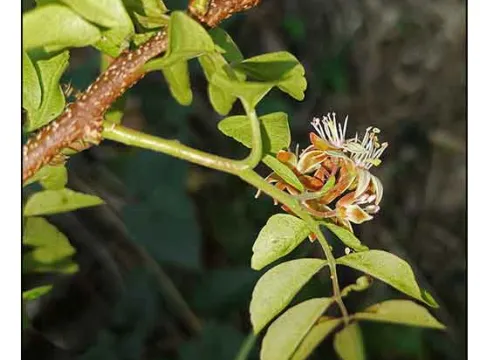
Harrisonia
Harrisonia
Harrisonia is a genus of thorny shrubs belonging to the Simaroubaceae family. Naturally occurring in the tropical regions of Africa, Asia, and Australia, these plants are well-adapted to hot and humid environments found in forests and scrublands.
What the section contains

Harrisonia
The plant requires well-drained soil to thrive, as its root system is sensitive to waterlogging. It is typically found in habitats that provide moderate sunlight, though it can tolerate some level of shade during its early growth stages.
Botanically, Harrisonia is characterized by its woody, spiny branches and pinnate leaves. This structural adaptation helps the plant survive in harsh environments by deterring herbivores and reducing physical damage to its vegetative parts.
Soil requirements involve a preference for sandy or loamy textures that allow for good root aeration. While the plant can tolerate nutrient-poor soils, consistent growth is observed when the soil profile is rich in organic matter.
Economically, Harrisonia is valued primarily for its medicinal properties. Various extracts from its bark and roots have been traditionally used to treat gastrointestinal and inflammatory conditions in different regional cultures.
Fungal diseases are the primary threat to Harrisonia, particularly in regions with excessive rainfall or poor drainage. Root rot is the most common condition that can lead to the quick decline of the plant if not managed properly.
Pests such as scale insects and spider mites often infest the leaves and tender shoots. These insects weaken the plant by extracting essential sap, which leaves the shrub vulnerable to secondary bacterial infections.
Effective pest management involves regular inspections and the application of environmentally safe insecticides. Keeping the growing area clean of debris is essential to reduce the habitat for these harmful organisms.
Maintaining proper pruning cycles helps to increase airflow within the canopy. Improved circulation significantly lowers the humidity levels around the foliage, making the plant less attractive to fungal pathogens.
Finally, avoid over-fertilization, as rapid, succulent growth is highly susceptible to aphid attacks. A balanced approach to nutrition ensures that the plant remains healthy and resistant to environmental stressors.