
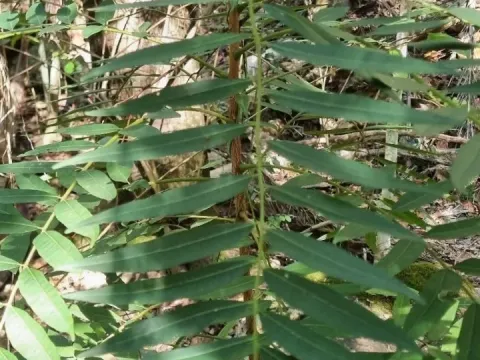
Ailanthus triphysa
Ailanthus triphysa
Propagation of Ailanthus triphysa is primarily achieved through seeds or vegetative methods using root cuttings. Seeds should be sown in a prepared substrate immediately after harvesting for optimal viability.
What the section contains
Ailanthus triphysa
For industrial cultivation, seeds benefit from a stratification period in a cool environment, which significantly increases the germination rate of the plant material.
Sowing in nurseries is typically performed during the spring season when soil temperatures are stable and warm enough to encourage quick root establishment.
The optimal depth for seed placement is between 1 and 2 centimeters, depending on the texture and compaction of the soil medium to ensure balanced growth.
During the first two years, seedlings require intensive care, including shading from intense direct sunlight and consistent moisture to establish a healthy root system.
Ailanthus triphysa belongs to the Simaroubaceae family and is a heat-loving species that demands specific tropical or subtropical climatic conditions for optimal growth.
The tree thrives in well-drained, fertile loam or sandy soils. It is highly sensitive to waterlogging, as stagnant water can severely damage the root system and inhibit development.
This species is extremely photophilous, requiring full sunlight to maximize its growth rate. Shaded environments or overcrowding can lead to spindly stems and reduced biomass.
Once established, the tree demonstrates high drought tolerance, though it requires regular watering during its early developmental stages to ensure survival and structural integrity.
Adequate soil nutrients and space are essential for the species to reach its full potential, making it an excellent candidate for fast-growing forestry plantations.
The primary economic use of Ailanthus triphysa is in the timber industry. The wood is lightweight, durable, and highly valued for its versatility in various manufacturing sectors.
It is commonly utilized in the production of plywood, crates, matchsticks, and pulp for the paper industry, contributing significantly to sustainable forestry revenues.
In addition to timber, the tree is often used for reforestation and land reclamation projects due to its ability to improve soil structure and prevent erosion.
Certain parts of the plant are also investigated for their chemical properties, specifically in the pharmaceutical industry for the development of bioactive compounds.
The biomass yield is heavily dependent on planting density and management practices, allowing for efficient harvesting cycles in well-maintained forest plantations.
Ailanthus triphysa is relatively resistant to many common tree diseases; however, high humidity levels can sometimes trigger fungal leaf spot infections during rainy seasons.
Young seedlings may be susceptible to sap-sucking insects that can stunt growth; therefore, monitoring is essential during the early stages of vegetation.
Poor soil drainage can lead to root rot, which is a major threat to the overall longevity and health of the tree plantation in improperly managed sites.
Maintaining optimal spacing between trees is the best preventative strategy, as it ensures adequate airflow and reduces the micro-climatic risks for fungal development.
Chemical intervention is rarely necessary for mature trees, making this species a sustainable option for low-input forestry and environmental restoration programs.