
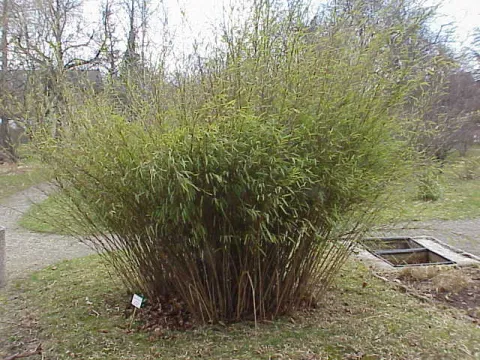
Sinarundinaria nitida
Sinarundinaria nitida
Sinarundinaria nitida, formally classified as Fargesia nitida, belongs to the Poaceae family. This hardy, clumping bamboo species is highly valued for its elegant, arching stems and evergreen foliage, making it one of the most reliable bamboos for cold-climate regions.
What the section contains
Sinarundinaria nitida
Originating from the mountain forests of China, this plant has adapted to cool, humid environments. Unlike running bamboos, it features a non-invasive clumping root system, which simplifies management and makes it an excellent choice for confined landscape spaces or suburban gardens.
In terms of environmental requirements, Sinarundinaria nitida thrives in partial shade. Excessive exposure to intense, direct afternoon sun can lead to leaf scorch and dehydration. The ideal soil profile consists of moisture-retentive, well-draining, and nutrient-rich organic loam.
Agricultural management requires consistent soil moisture, especially during the establishment phase and periods of summer heat. Applying organic mulch is a recommended practice to maintain soil temperature, conserve moisture, and suppress weed growth around the base of the plant.
The primary use for this species is ornamental landscaping. It is frequently employed to create natural privacy screens, windbreaks, or focal points in woodland gardens. Its architectural form and graceful movement in the wind make it a highly desirable element in professional landscape design.
Spider mites are the most common pest affecting this species, particularly in hot and dry climates. Preventive measures include regular misting during dry periods and monitoring the underside of leaves for signs of infestation, followed by prompt application of miticides if necessary.
Fungal issues such as leaf spot or rust may occur if the plants are situated in areas with poor air circulation or excessive moisture. Ensuring proper plant spacing and conducting annual sanitary pruning of old or damaged canes will significantly reduce the risk of pathogen development.