
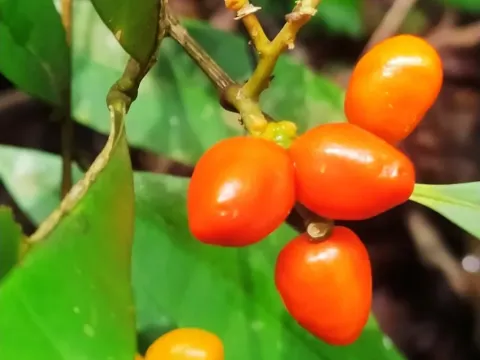
Simaba
Simaba
Simaba is a genus of tropical trees and shrubs belonging to the Simaroubaceae family. These plants are primarily native to the tropical regions of Central and South America, where they thrive in warm and humid environments.
What the section contains


Simaba
The climate requirements for these species are strict; they demand constant warmth and significant precipitation throughout the year. They are highly sensitive to frost and require sheltered positions to maintain their metabolic health.
Soil quality is paramount for Simaba cultivation. They prefer deep, well-draining, and nutrient-rich soils that support their sensitive root systems. Poor drainage is the most significant risk factor for these plants.
The cultivation technique involves nursery propagation followed by transplantation during the early rainy season. Providing a consistent moisture level is crucial for the establishment of young saplings in the field.
Lighting management is also important; while young plants may require shade to prevent leaf scorch, mature trees typically require full access to sunlight to optimize their secondary metabolite production.
The primary economic interest in Simaba lies in its content of quassinoids, which are intensely bitter compounds. These substances provide the plant with natural resistance against various insect herbivores.
Pharmacological research highlights the medicinal potential of Simaba extracts. They are studied for their antimalarial, antimicrobial, and anti-inflammatory properties, reflecting traditional uses in indigenous medicine.
Harvesting involves the careful extraction of bark and roots, usually performed in managed forest settings. Sustainable harvesting practices are essential to ensure the longevity of the plant population.
In addition to medicinal use, the wood of Simaba is valued for its unique structural properties. It is often used for craft items and specific timber applications due to its resilience against rot and certain insects.
The industrial extraction of plant metabolites represents a growing field. By refining these natural chemicals, companies can produce eco-friendly pesticides, providing an alternative to synthetic agricultural chemicals.