
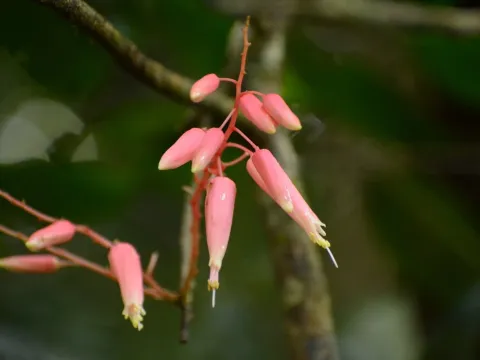
Quassia
Quassia
Quassia, scientifically known as Quassia amara, is a member of the Simaroubaceae family. This plant is a tropical, evergreen shrub or small tree native to the rainforests of South America, specifically common in regions like Brazil, Suriname, and French Guiana.
What the section contains

Quassia
The crop is strictly tropical, requiring consistent high temperatures ranging from +22°C to +28°C throughout the year. It does not tolerate frost or cold spells, making its outdoor cultivation limited to frost-free tropical or subtropical geographical zones.
Soil requirements for Quassia include deep, fertile, and well-drained loam or clay-loam soils. It thrives best in acidic to neutral soil environments, and it is imperative to avoid waterlogged conditions, which can lead to rapid root decay and plant mortality.
Regarding agricultural practice, Quassia requires steady irrigation, especially in areas with distinct dry seasons. Young plants often benefit from partial shade, while mature trees can adapt to full sun exposure if the moisture levels in the soil are adequately maintained.
The primary economic value of Quassia lies in its bitter wood and bark, which contain high concentrations of quassinoids. These compounds serve as powerful natural insecticidal agents and are widely recognized for their therapeutic properties in traditional medicine.
The most significant threats to Quassia plantations are fungal pathogens that attack the root system, often caused by poor drainage or excessive soil moisture. Proper field leveling and drainage management are essential to mitigate these risks.
Pests, such as termites and various boring insects, frequently target the wood and bark, compromising the health and structure of the tree. Integrated pest management strategies, including monitoring and biological control, are recommended for large-scale operations.
Leaf spot diseases, caused by various fungal spores, can reduce the leaf surface area and negatively impact the tree's growth rate. Sanitation practices, such as removing infected plant tissue, are crucial for disease prevention.
Nutrient deficiency can weaken the plant's natural defense systems, making it more susceptible to opportunistic diseases. Implementing a balanced fertilization schedule is a fundamental component of maintaining long-term plantation vigor.
Maintaining biological diversity within the plantation area can help reduce the pressure from specialized insects. Growers should avoid monoculture-style practices that increase the risk of rapid spread of pests and diseases across the site.
Harvesting Quassia focuses on collecting the wood and bark, as these parts contain the highest density of active bitter substances. Generally, plants require several years of vegetative growth before they reach the maturity level required for economic harvesting.
The harvest process typically involves felling the trees and processing the wood into chips or shavings. This mechanical reduction is necessary for the subsequent industrial extraction of quassinoids, ensuring efficient use of the plant material.
Post-harvest processing includes drying the wood chips to a specific moisture level to prevent fungal growth during storage. Careful drying conditions are required to preserve the stability of the active chemical compounds found within the wood.
Optimal timing for harvest is based on the physiological cycles of the plant, ensuring that the concentration of active compounds is at its peak. This requires systematic monitoring of the growth stage and chemical analysis of representative samples.
Sustainable harvesting techniques, such as selective thinning and stump management, allow for the regrowth of the Quassia crop. This cycle management ensures the plantation remains productive over long periods without the need for frequent replanting.