
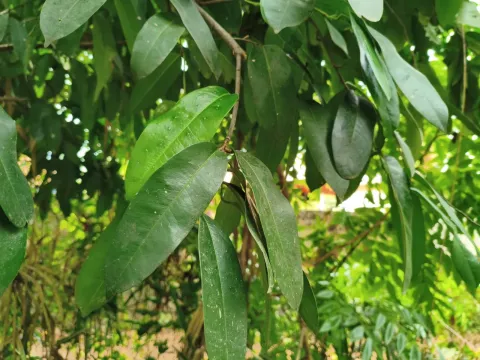
Quassia indica
Quassia indica
Quassia indica, known synonymously as Samadera indica, is a medicinal tree belonging to the Simaroubaceae family. This tropical species is native to the coastal regions of South and Southeast Asia, where it thrives in humid environments.
What the section contains
Quassia indica
The plant requires a tropical climate with consistent temperatures and high precipitation levels. It is typically found in lowland forests and along riversides, where the soil maintains a constant moisture content without being waterlogged.
For successful cultivation, the soil should be deep, fertile, and possess excellent drainage. While it can adapt to various soil types, rich loamy soil enriched with organic matter provides the best results for biomass production.
Agronomic management involves regular weeding and light mulching to retain soil humidity during drier periods. Young plants must be protected from direct intense sunlight until they are sufficiently established.
Economically, Quassia indica is valued for its bark and seeds, which contain compounds like quassinoids. These substances are widely recognized for their biological activity and are used as safe, organic-compliant pest control agents.
Root rot caused by stagnant water is the primary disease concern for Quassia indica. Ensuring proper site drainage is the most effective preventative measure against these lethal fungal infections.
Leaf-eating insects, particularly certain beetle species and caterpillars, can cause significant defoliation. Early detection through routine field inspections is necessary to manage these outbreaks sustainably.
Powdery mildew may occur in areas with high humidity and poor air circulation. Thinning out the canopy through strategic pruning helps to improve airflow and reduce the incidence of fungal spores.
Soil-borne nematodes can affect plant vigor in sandy conditions. Incorporating organic amendments such as well-decomposed manure or vermicompost helps suppress nematode populations and improves overall plant health.
Integrated Pest Management (IPM) practices should be followed to protect the integrity of the harvest, as the plant is specifically grown for its insecticidal properties, and toxic residues must be avoided.