
Sinocalamus
Sinocalamus
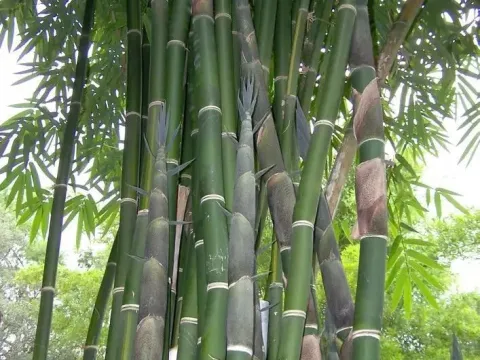
Sinocalamus is a genus of large woody bamboo belonging to the Poaceae family. These plants are native to the tropical and subtropical regions of Southeast Asia, where they thrive in warm, humid climates with well-distributed precipitation throughout the year.
What the section contains
Sinocalamus
For optimal growth, Sinocalamus requires fertile, deep soils with excellent drainage capabilities. While these plants are adapted to high humidity, they do not tolerate prolonged waterlogging, which can lead to root degradation and stunted development.
Botanically, this bamboo is characterized by rapid rhizome expansion and vertical culm growth. Its structure consists of dense, woody segments that become exceptionally durable upon maturity, making it a preferred material for heavy-duty applications in infrastructure and design.
Agricultural management of Sinocalamus involves careful monitoring of culm density. Thinning mature culms is a standard practice to ensure younger shoots receive adequate nutrients and light, which maximizes the overall annual biomass production of the plantation.
The economic value of Sinocalamus is high, as it serves as a sustainable alternative to conventional timber. It is extensively utilized in the construction industry, the manufacturing of high-quality furniture, and as a feedstock for the global paper and pulp industry.
Fungal diseases are a primary concern for Sinocalamus, particularly in plantations with poor air circulation. Managing humidity levels and removing debris from the base of the clumps are critical steps to prevent the spread of pathogens.
Insect pests, such as bamboo borers and aphids, pose a significant risk to the structural integrity of the culms. Regular scouting and the application of integrated pest management strategies are necessary to maintain healthy, productive stands over long harvesting cycles.